Electrical Engineering
How electricity and electronic signals actually get generated, moved, and controlled.
FIG. 01 — ELECTRICAL ENGINEERING
What It Is
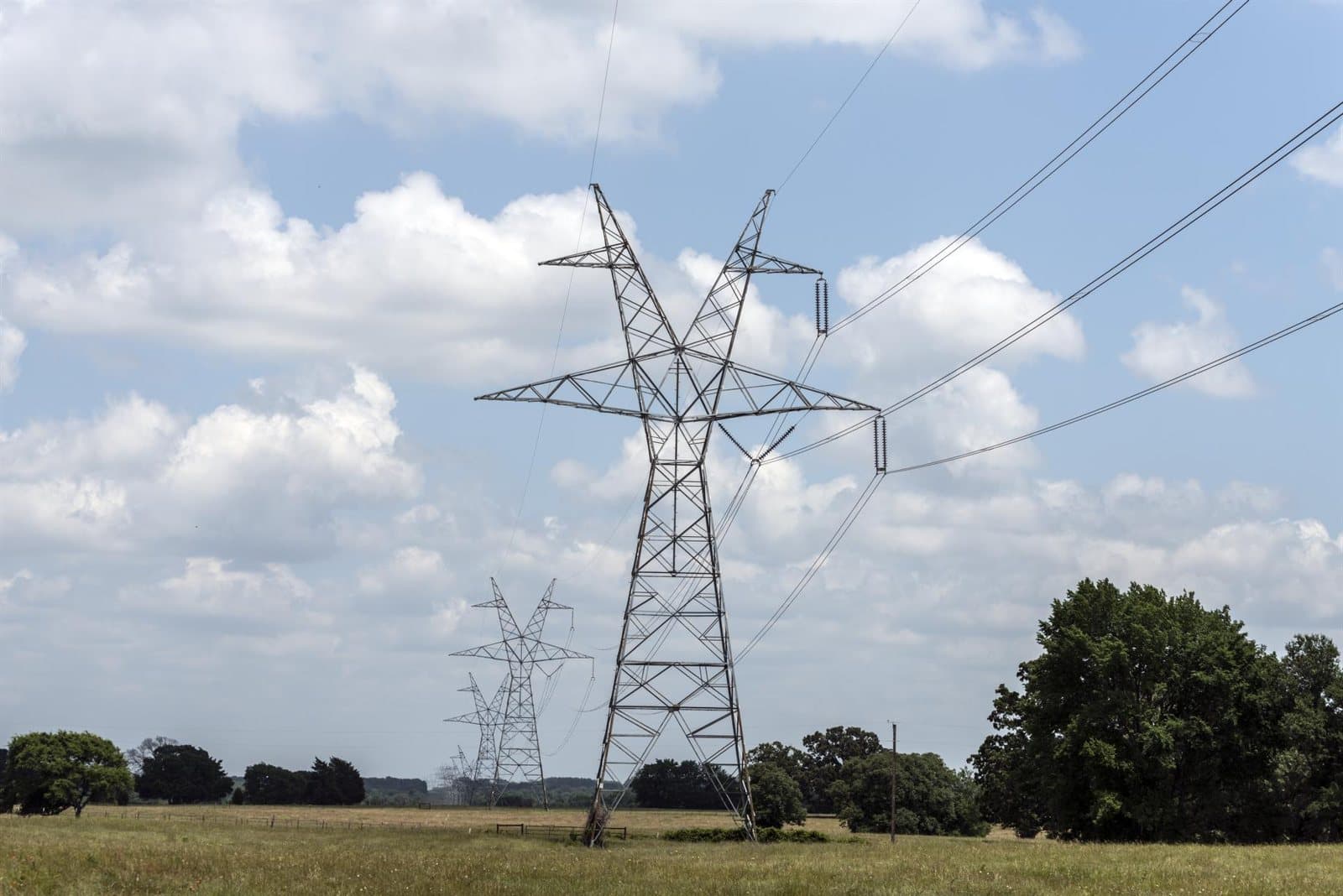
Electrical engineering covers how electricity is generated, distributed, and used — from massive power grids down to the tiny circuits inside a phone. It splits into many sub-areas: power systems, electronics, signal processing, and more.
What Engineers Work On
Electrical engineers design circuits, test how electronic systems behave, work on power distribution, and often work closely with software engineers when a device needs both hardware and code to function. A lot of the work involves reading schematics, using specialized test equipment, and debugging why a circuit isn't behaving as expected.
Real-World Examples
- Power grids and electrical substations
- Circuit boards inside phones and laptops
- Electric vehicle battery and motor systems
- Medical imaging equipment
- Wireless communication systems (like WiFi and cell networks)
Common Misconceptions
Tap a card to see the reality behind each one.
Myth: It's the same as being an electrician.
Reality: That's a licensed trade, different from an engineering degree.
Myth: It's only about physical wiring.
Reality: A huge portion of the field is signal theory, circuit design, and increasingly, programming embedded systems.
Myth: You need to already understand circuits before starting.
Reality: Like mechanical engineering, most of this is taught from the ground up.
A Day in the Life
The toolkit spans circuit design software, testing equipment like oscilloscopes and multimeters, and — in many roles — writing embedded software. Debugging a circuit that isn't working as expected is a very normal, recurring part of the job.
One illustrative example day, not a guaranteed schedule — real days vary a lot by employer, role, and industry.
Circuit design
Working in circuit design software, laying out a new component on the board.
Working in circuit design software, laying out a new component on the board.
Simulating how the circuit should behave before building it physically.
Using an oscilloscope and multimeter to test the physical circuit against the simulation.
The circuit isn't behaving as expected — tracing the problem connection by connection.
Programming a microcontroller to respond correctly to a sensor input.
Documenting what got fixed today and what's still unresolved.
How would it feel to spend an afternoon debugging a circuit that isn't working, with no guarantee you'll find the problem before you go home?
Typical Projects
- Designing and testing a circuit on a breadboard
- Simulating circuit behavior before building it physically
- Programming a microcontroller to respond to sensor input
Getting Ready
Useful Subjects
- Physics (especially electricity and magnetism)
- Calculus
- Any intro to programming, if available
Helpful Skills
- Comfort with abstract math (electrical behavior isn't always visible the way mechanical motion is)
- Careful, methodical debugging — a single wrong connection can break an entire circuit
- Basic programming, since many modern electrical systems include embedded code
Where This Field Shows Up
Industries
- Power/energy
- Consumer electronics
- Telecommunications
- Automotive
- Aerospace
- Semiconductor manufacturing
Related Majors
- Electrical Engineering
- Electronics Engineering
- Computer Engineering
Career Explorer
Power Systems Engineer
Designs and maintains systems that generate and distribute electricity.
Electronics Design Engineer
Designs circuit boards and electronic components for devices.
RF/Wireless Engineer
Works on wireless communication systems like WiFi, cellular, and satellite signals.
Controls Engineer
Designs systems that automatically control machines or processes using electrical signals.
Weighing It Up
Advantages
- High demand across a very wide range of industries
- Skills transfer well into related fields like computer engineering or robotics
- A lot of variety — power systems work looks very different from consumer electronics work
Challenges
- Concepts are often abstract — electricity and signals aren't always visible or intuitive the way mechanical motion is
- Debugging can be frustrating since problems aren't always visually obvious
- Regulations and safety standards are strict in power-related work, for good reason
Things People Dislike
- Some roles are heavy on compliance and testing documentation, especially in power or aerospace
- Rapid pace of change in electronics means constantly learning new tools and standards
How Competitive Is It?
Demand is generally strong, especially for engineers comfortable with both hardware and software, but this varies by country and specialization — power systems roles and cutting-edge electronics roles can have very different job markets. Research your specific region before drawing conclusions.
What You Could Earn
United States (national median) · May 2025 — U.S. Bureau of Labor Statistics
Last verified: September 2026
This is a U.S. national median across all experience levels and specializations — not a starting salary, and not adjusted for your region. The closely related 'electronics engineer' specialization reports a higher median ($130,220) in the same BLS data, so specialization matters here too.
What actually affects your salary?
The number above is a national median — the middle point across everyone in the field, not a typical starting salary. What you'd actually earn depends on things this page can't predict for you:
- Location — pay for the same job title can differ a lot by country, state, or even city, often tied to local cost of living.
- Years of experience — entry-level pay is usually well below the median, and typically rises over a career.
- Specialization — some sub-areas within a field pay differently (aerospace vs. general manufacturing, or power systems vs. consumer electronics, for example).
- Industry and company — a large company, a startup, and a government job can pay very differently for similar work.
- Education and licensure — an advanced degree or professional license can affect both which roles you're eligible for and what they pay.
- Economic conditions — hiring markets shift over time, so a number that was accurate a few years ago might not be now.
None of this makes the number above wrong — it's a real, sourced figure. It just means a single number can't tell you what you personally would earn.
Try It Yourself
- Build a simple circuit with a breadboard, LEDs, and a 9V battery
- Try a beginner electronics kit (many are inexpensive and widely available)
- Use a free circuit simulator online to build and test a circuit without needing physical parts
Questions to Ask Yourself
- Am I comfortable with abstract concepts I can't directly see, like electrical current?
- Do I enjoy debugging — patiently figuring out why something isn't working?
- Am I interested in how both hardware and software work together?
What Can I Do Next?
Grade level: High school
Grade systems vary by country — pick whichever tab is the closest match for where you are.
Not saved anywhere. (just for this visit — nothing is stored beyond your browser tab).
A project to try
Try building a basic LED circuit, then swap the resistor and see what changes.
A tool to learn
A free online circuit simulator like Tinkercad Circuits, so you can test ideas before buying parts.
A club or activity
Look into a FIRST Tech Challenge team or a robotics club that involves wiring and electronics, if available at your school.
How to actually find one near you →