Aerospace Engineering
The aircraft, spacecraft, and systems that get things off the ground — designed and tested to keep them there safely.
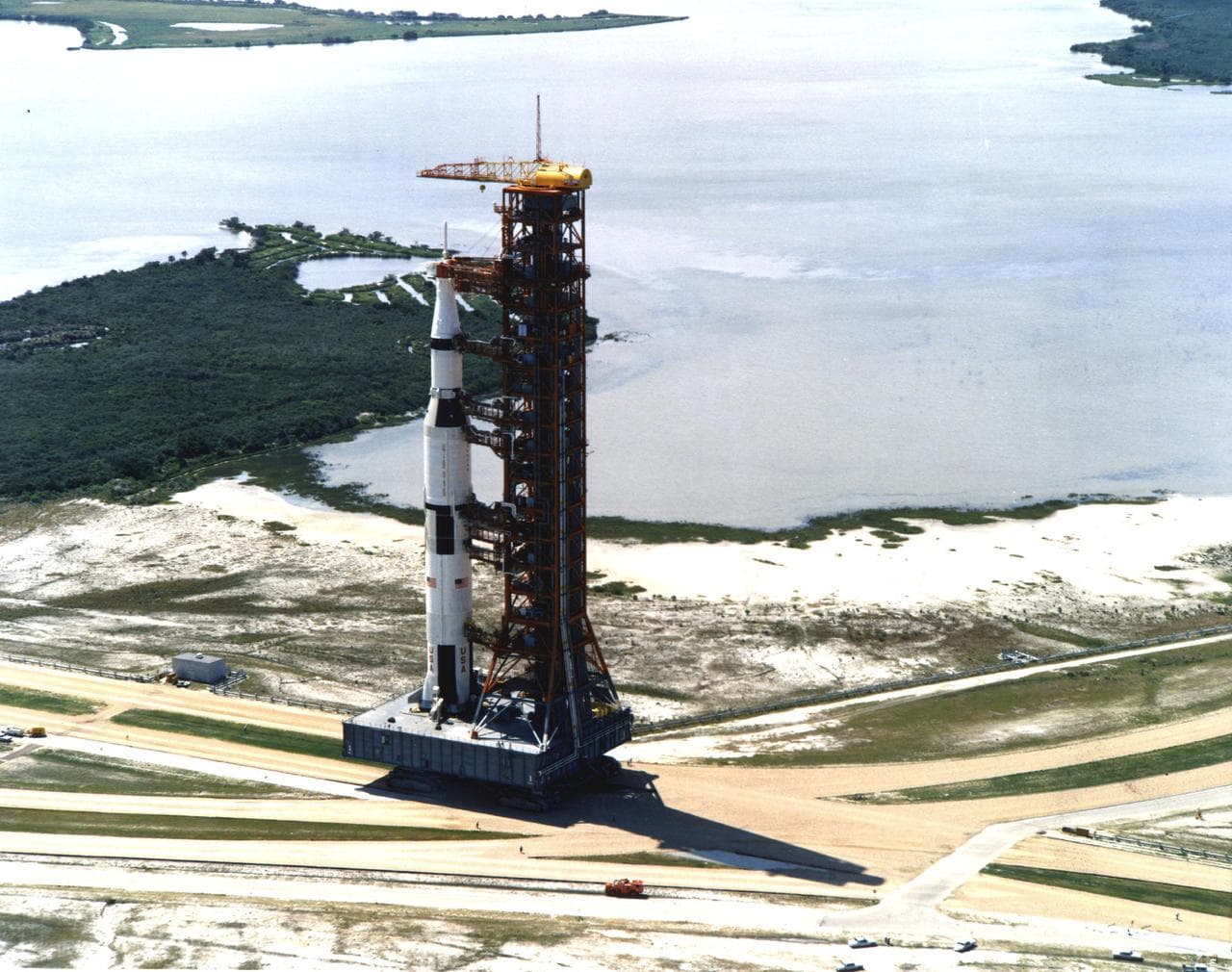
FIG. 01 — AEROSPACE ENGINEERING
What It Is
Aerospace engineering is about designing, building, and testing vehicles that fly — from commercial airplanes to satellites, rockets, and drones. It splits into two overlapping areas: aeronautical engineering (things that fly within the atmosphere) and astronautical engineering (spacecraft and things that operate beyond it), though most programs and jobs blend both.
What Engineers Work On
Aerospace engineers design components and systems, run simulations to predict how a design will perform under extreme forces like high speed, pressure, or temperature, coordinate with manufacturing teams to figure out how something can actually be built, and evaluate designs against strict safety and regulatory requirements. A lot of the job is testing — pushing a design to its limits in a lab or simulation before it's ever trusted with a real flight.
Real-World Examples
- Commercial airplane wings and fuselage structures
- Satellite propulsion and communication systems
- Rocket engines and launch vehicles
- Drone and unmanned aircraft systems
- Spacecraft life-support and thermal control systems
Common Misconceptions
Tap a card to see the reality behind each one.
Myth: Aerospace engineers all work for NASA or a space company.
Reality: Most work in commercial aviation, defense, or on components for larger systems, not necessarily spacecraft.
Myth: You need to already understand rocket science.
Reality: Like other engineering fields, the technical depth is taught during the degree, not expected beforehand.
Myth: It's the same as being a pilot or astronaut.
Reality: Aerospace engineers design and test the vehicles; they don't necessarily fly them.
A Day in the Life
Mostly office- and lab-based — running simulations, reviewing designs, and analyzing test data — with periodic time in a lab or testing facility, and travel for some roles. Aerospace projects are typically large, multi-year efforts, so a lot of the daily work is a small piece of a much bigger system, coordinated with many other engineers.
One illustrative example day, not a guaranteed schedule — real days vary a lot by employer, role, and industry.
Design review
Reviewing a component design against the project's structural and safety requirements.
Reviewing a component design against the project's structural and safety requirements.
Running a simulation to see how a part performs under extreme stress or temperature.
Meeting with manufacturing and other engineering teams — a single aerospace project touches a lot of people.
Analyzing results from a recent wind tunnel or lab test against what the simulation predicted.
Writing up findings for the safety and certification record — required before anything moves forward.
Updating the project timeline and flagging any issues for tomorrow.
Would you be okay knowing your part of a project might not fly for years, and that most of your day is testing and documentation rather than building?
Typical Projects
- Simulating how a wing design performs under different airspeeds and stresses
- Analyzing a material's ability to withstand extreme heat or pressure
- Reviewing test data from a wind tunnel or flight test
- Working through documentation required to certify a design as safe
Getting Ready
Useful Subjects
- Physics (especially mechanics and thermodynamics)
- Calculus
- Chemistry
- Technical drawing or CAD, if available
Helpful Skills
- Comfort with math and physics at a demanding level — the margins for error are smaller than in most other fields
- Patience for extensive testing and simulation before anything gets built physically
- Attention to detail, since a small error can have serious safety consequences
- Basic computer literacy for CAD and simulation software
Where This Field Shows Up
Industries
- Commercial aviation
- Defense
- Space exploration
- Satellite communications
- Unmanned/drone systems
Related Majors
- Aerospace Engineering
- Aeronautical Engineering
- Astronautical Engineering
Career Explorer
Aerodynamics Engineer
Analyzes how air flows around a vehicle to improve performance, stability, and fuel efficiency.
Structures Engineer
Designs the physical structure of an aircraft or spacecraft to withstand flight and launch forces.
Propulsion Engineer
Designs and tests the engines or propulsion systems that power flight.
Systems Engineer
Coordinates how the many subsystems of a large aerospace project — structures, propulsion, avionics — work together.
Weighing It Up
Advantages
- Work on some of the most technically demanding engineering problems that exist
- Strong government-tracked job growth — the U.S. Bureau of Labor Statistics projects 8% employment growth from 2025 to 2035, faster than average for all occupations
- A field with a direct connection to major, high-visibility achievements, from commercial flight to space exploration
Challenges
- Extremely demanding math and physics coursework, often more intensive than other engineering majors
- High-stakes safety margins mean slow, heavily reviewed design and testing processes
- Projects are often large and multi-year, so an individual engineer may work on a small piece of a much bigger system for a long time
Things People Dislike
- Heavy documentation and certification requirements before any design can move forward
- The industry has historically been cyclical — tied to defense budgets and commercial aviation demand, both of which can shift with government spending and the broader economy
- Large bureaucratic organizations, especially in defense contracting, can move slowly compared to smaller companies
How Competitive Is It?
The U.S. Bureau of Labor Statistics projects 8% employment growth for aerospace engineers from 2025 to 2035 — much faster than average for all occupations — with about 3,800 openings projected per year over that decade, driven partly by aircraft redesigns and the growing drone and satellite industry. That said, aerospace hiring has historically been cyclical, tied closely to defense spending and the commercial aviation industry's own ups and downs, and much of the industry requires citizenship or security clearance for defense-related roles in some countries. Research the current market and any citizenship or clearance requirements in your specific country and sector before making decisions.
What You Could Earn
United States (national median) · May 2025 — U.S. Bureau of Labor Statistics
Last verified: September 2026
This is a U.S. national median across all experience levels and specializations — not a starting salary, and not adjusted for your region. Aerospace pay can also vary meaningfully between defense-sector and commercial-aviation roles.
What actually affects your salary?
The number above is a national median — the middle point across everyone in the field, not a typical starting salary. What you'd actually earn depends on things this page can't predict for you:
- Location — pay for the same job title can differ a lot by country, state, or even city, often tied to local cost of living.
- Years of experience — entry-level pay is usually well below the median, and typically rises over a career.
- Specialization — some sub-areas within a field pay differently (aerospace vs. general manufacturing, or power systems vs. consumer electronics, for example).
- Industry and company — a large company, a startup, and a government job can pay very differently for similar work.
- Education and licensure — an advanced degree or professional license can affect both which roles you're eligible for and what they pay.
- Economic conditions — hiring markets shift over time, so a number that was accurate a few years ago might not be now.
None of this makes the number above wrong — it's a real, sourced figure. It just means a single number can't tell you what you personally would earn.
Try It Yourself
- Build and fly a paper airplane, experimenting with different wing shapes and folds
- Try a free simulation tool to see how wing shape or angle affects lift
- Build and launch a basic model rocket, following standard safety guidelines
Questions to Ask Yourself
- Am I comfortable with some of the most demanding math and physics coursework in engineering?
- Am I okay with slow, heavily reviewed design processes where safety comes before speed?
- Would I be satisfied working on one piece of a much larger, multi-year project?
- Am I interested in this field specifically, or mainly drawn to the general idea of space and flight?
What Can I Do Next?
Grade level: High school
Grade systems vary by country — pick whichever tab is the closest match for where you are.
Not saved anywhere. (just for this visit — nothing is stored beyond your browser tab).
A project to try
Try a free simulation tool to see how wing shape or angle affects lift.
A tool to learn
PhET Interactive Simulations (University of Colorado Boulder) — free, includes forces and motion topics relevant to flight.
A club or activity
Look into a Science Olympiad team, which often has aviation or rocketry-related events.
How to actually find one near you →