Mechanical Engineering
Machines and systems that move, power, and shape the physical world — designed and built from the ground up.
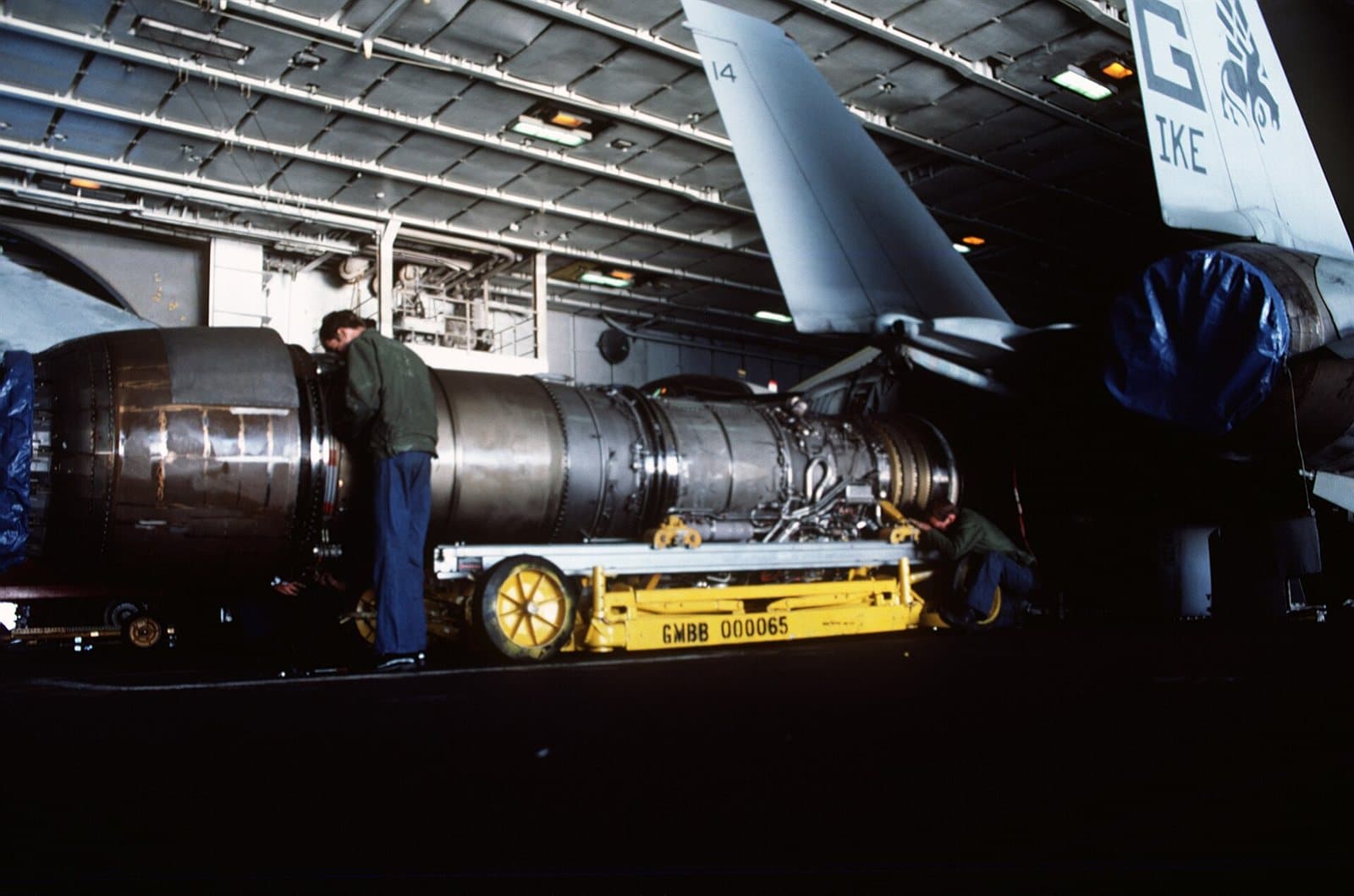
FIG. 01 — MECHANICAL ENGINEERING
What It Is
Mechanical engineering is one of the broadest engineering fields. It's about how things move, how forces act on objects, and how machines are designed, built, and improved — everything from tiny mechanisms inside a watch to jet engines and factory robots.
What Engineers Work On
Mechanical engineers design parts and systems, run simulations to predict how something will behave under stress or heat, build and test physical prototypes, and figure out how to manufacture designs at scale. A lot of the actual day-to-day work is problem-solving when a design doesn't behave the way it was supposed to.
Real-World Examples
- Car engines and braking systems
- Robotic arms used in factories
- HVAC systems that heat and cool buildings
- Prosthetic limbs and medical devices
- Roller coasters and amusement park rides
Common Misconceptions
Tap a card to see the reality behind each one.
Myth: Mechanical engineers mostly fix cars or appliances.
Reality: That's usually a mechanic or technician's job — a different profession entirely.
Myth: It's only about big machines.
Reality: A lot of mechanical engineering is precise, small-scale design work.
Myth: You have to already be 'good with tools' before starting.
Reality: Most of the hands-on skill is learned during the degree, not before it.
A Day in the Life
A lot of the job is at a computer — running simulations, reviewing designs, writing reports, and going to meetings — mixed with time in a lab or shop testing physical prototypes. It's less 'building things by hand all day' and more 'solving problems, some of which involve hands-on testing.'
One illustrative example day, not a guaranteed schedule — real days vary a lot by employer, role, and industry.
Morning check-in
Reviewing overnight simulation results and catching up on email from the team.
Reviewing overnight simulation results and catching up on email from the team.
Running simulations and reviewing a design in CAD software to see how it holds up under load.
Coordinating with teammates and writing up a status report on a design that's behind schedule.
Testing a physical prototype — and it's not behaving the way the simulation predicted.
Writing up what went wrong in testing and reworking the design based on it.
Documenting today's progress and setting up tomorrow's shop time.
Which part of this day would you actually enjoy more — the design work at a computer, or the hands-on testing? Which part would frustrate you?
Typical Projects
- Designing a part in CAD software and testing whether it can handle a certain load
- Building and testing a physical prototype
- Improving an existing design to be lighter, cheaper, or more efficient
Getting Ready
Useful Subjects
- Physics (especially mechanics)
- Calculus
- Chemistry (some programs)
- Technical drawing or CAD, if available
Helpful Skills
- Spatial reasoning (visualizing how parts fit and move together)
- Comfort with math, especially algebra-based physics
- Patience for trial and error — designs rarely work perfectly the first time
- Basic computer literacy for CAD and simulation software
Where This Field Shows Up
Industries
- Automotive
- Aerospace
- Manufacturing
- Energy
- Robotics
- Consumer products
Related Majors
- Mechanical Engineering
- Mechatronics Engineering
- Manufacturing Engineering
Career Explorer
Automotive Engineer
Designs and tests vehicle systems like engines, brakes, and suspensions.
HVAC Engineer
Designs heating, cooling, and ventilation systems for buildings.
Product Design Engineer
Designs physical consumer or industrial products from concept to manufacturing.
Robotics Engineer
Designs the physical structure and mechanisms of robots (often overlapping with electrical/software engineering).
Weighing It Up
Advantages
- Extremely broad — skills transfer across many industries
- A mix of hands-on and computer-based work, if you like variety
- Direct, visible results — you can often see and touch what you designed
Challenges
- Heavy math and physics coursework, especially early in a degree
- Designs frequently fail in testing, and figuring out why takes patience
- Some roles involve a lot of documentation, reports, and approval processes, so sometimes you won't actually be designing or building anything
Things People Dislike
- Manufacturing and testing timelines can be slow — projects sometimes take months or years
- A meaningful amount of paperwork and compliance work depending on the industry (like aerospace, which is heavily regulated)
How Competitive Is It?
Generally, mechanical engineering has strong and stable demand, but this varies significantly by country and by specific industry (e.g., aerospace roles are often more competitive than general manufacturing roles). Don't take this as guaranteed — research the job market in your specific country before making major decisions.
What You Could Earn
United States (national median) · May 2025 — U.S. Bureau of Labor Statistics
Last verified: September 2026
This is a U.S. national median across all experience levels and specializations — not a starting salary, and not adjusted for your region. Actual pay varies a lot by location, industry, employer, and experience.
What actually affects your salary?
The number above is a national median — the middle point across everyone in the field, not a typical starting salary. What you'd actually earn depends on things this page can't predict for you:
- Location — pay for the same job title can differ a lot by country, state, or even city, often tied to local cost of living.
- Years of experience — entry-level pay is usually well below the median, and typically rises over a career.
- Specialization — some sub-areas within a field pay differently (aerospace vs. general manufacturing, or power systems vs. consumer electronics, for example).
- Industry and company — a large company, a startup, and a government job can pay very differently for similar work.
- Education and licensure — an advanced degree or professional license can affect both which roles you're eligible for and what they pay.
- Economic conditions — hiring markets shift over time, so a number that was accurate a few years ago might not be now.
None of this makes the number above wrong — it's a real, sourced figure. It just means a single number can't tell you what you personally would earn.
Try It Yourself
- Build a simple machine out of household materials (like a catapult or a pulley system) and see how well it performs
- Try a free CAD tool like Tinkercad and design a simple part
- Take apart an old mechanical toy or appliance (safely, unplugged) and see how the parts fit together
Questions to Ask Yourself
- Do I enjoy figuring out how physical things work?
- Am I okay with a design not working the first time, and trying again?
- Do I like a mix of computer work and hands-on testing?
- Do I like math and see myself using it on a regular basis?
What Can I Do Next?
Grade level: High school
Grade systems vary by country — pick whichever tab is the closest match for where you are.
Not saved anywhere. (just for this visit — nothing is stored beyond your browser tab).
A project to try
Design a simple part in a free browser-based CAD tool, then think through how you'd actually build it.
A tool to learn
Tinkercad — free, browser-based, no installation needed.
A club or activity
Look into a FIRST Tech Challenge or VEX Robotics team at your school, if one exists.
How to actually find one near you →