Biomedical Engineering
Applying engineering principles to biology and medicine — designing the devices, tools, and systems used to diagnose, monitor, and treat the human body.
FIG. 01 — BIOMEDICAL ENGINEERING
What It Is
Biomedical engineering sits at the intersection of engineering and the life sciences. It covers a wide range of sub-areas — medical devices, imaging technology, prosthetics, biomaterials, tissue engineering, and increasingly health-related software — so what a biomedical engineer actually does day to day varies a lot depending on their specialization.
What Engineers Work On
Biomedical engineers design and test medical devices and equipment, work on making imaging or diagnostic tools more accurate, and develop materials that are safe to use inside or on the human body — often collaborating closely with doctors, biologists, and regulatory specialists. A bigger part of the job than in most other engineering fields is navigating strict safety testing and regulatory approval before a product can be used on patients.
Real-World Examples
- Pacemakers and other implantable medical devices
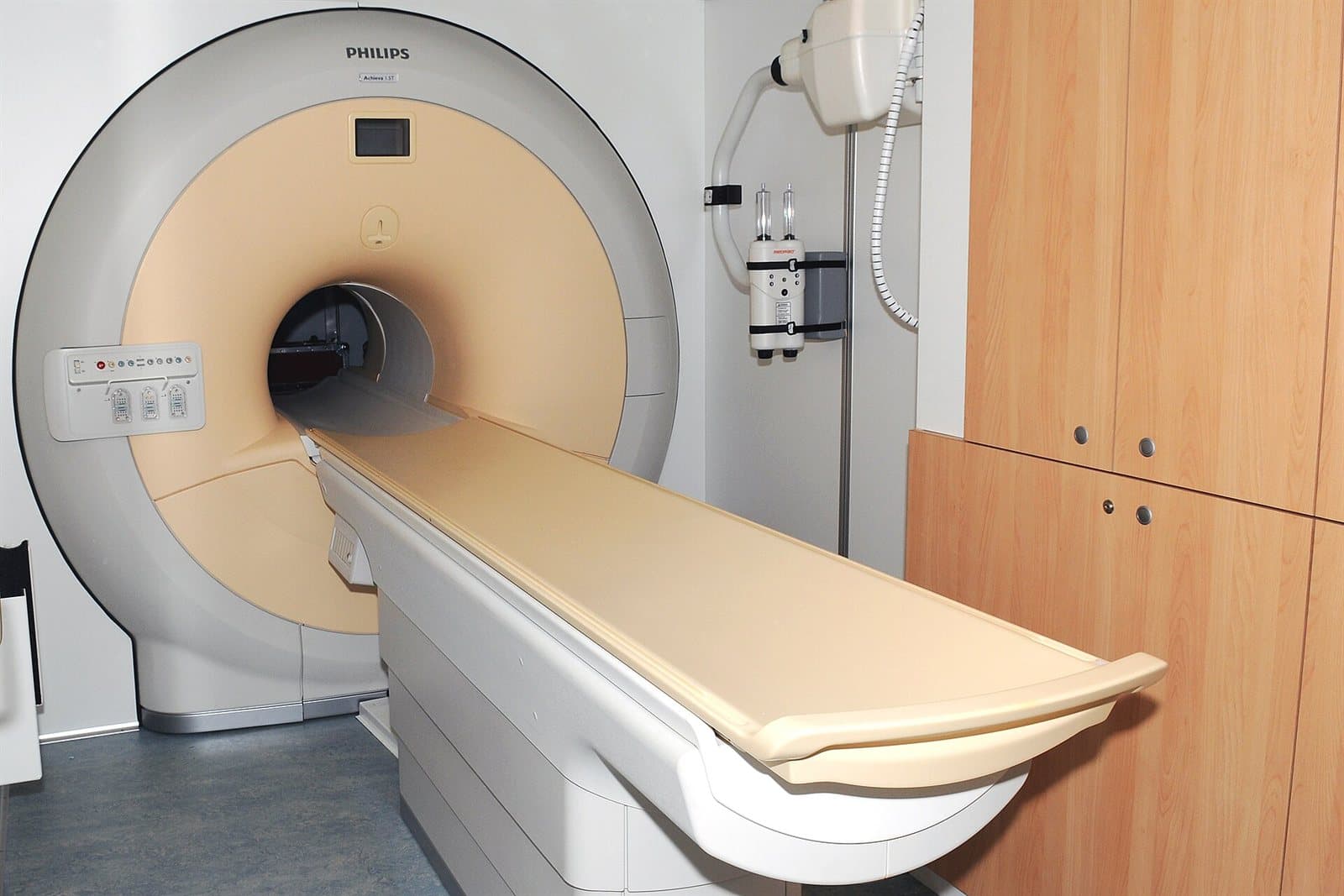
- MRI and CT imaging machines
- Prosthetic limbs and orthopedic implants
- Insulin pumps and other wearable medical devices
- Lab equipment used for diagnostic testing
Common Misconceptions
Tap a card to see the reality behind each one.
Myth: Biomedical engineers are doctors or work directly with patients.
Reality: Most work in labs, R&D, or manufacturing, not clinical settings.
Myth: The field is mostly biology.
Reality: It's engineering first, and strong math and physics fundamentals are usually just as important as life-science knowledge.
Myth: Entry-level jobs are as widely available as in more established fields like mechanical or electrical engineering.
Reality: This varies a lot, and it's worth researching carefully — see the competitiveness section below.
A Day in the Life
A lot of lab-based work — testing prototypes, running experiments, documenting results — combined with time spent on regulatory paperwork and meetings with cross-disciplinary teams like clinicians and quality/regulatory staff. Because medical devices are so strictly regulated, thorough documentation is a bigger part of daily work here than in many other engineering fields.
One illustrative example day, not a guaranteed schedule — real days vary a lot by employer, role, and industry.
In the lab
Testing a device prototype to check whether it works the way it's supposed to.
Testing a device prototype to check whether it works the way it's supposed to.
Analyzing how a material performs when used inside the body — biocompatibility testing.
Writing careful, precise records — regulatory approval depends on getting this exactly right.
Meeting with clinicians and regulatory staff about the device's next round of testing.
Working through documentation required for a formal regulatory submission.
Updating the project timeline — regulatory review can add months that are outside your control.
How would you feel knowing the device you tested today might not actually reach a patient for another two or three years?
Typical Projects
- Designing and testing a prototype medical device for safety and function
- Analyzing how a material performs when used inside the body (biocompatibility)
- Working through documentation required for regulatory submission
- Running lab experiments to validate how a device or sensor performs
Getting Ready
Useful Subjects
- Biology
- Chemistry
- Physics
- Calculus
Helpful Skills
- Comfort combining engineering fundamentals with biology and physiology concepts
- Careful, detail-oriented documentation — regulatory approval processes require extensive, precise records
- Patience with long development timelines, since medical devices often take years to go from design to market
- Collaboration skills, since projects usually involve engineers, clinicians, and regulatory staff working together
Where This Field Shows Up
Industries
- Medical device manufacturing
- Pharmaceuticals
- Hospitals and healthcare systems
- Research institutions
- Diagnostics
Related Majors
- Biomedical Engineering
- Bioengineering
- Chemical Engineering (some overlap)
Career Explorer
Medical Device Engineer
Designs and tests devices like pacemakers, insulin pumps, or surgical instruments.
Clinical Engineer
Manages and maintains medical equipment within a hospital or healthcare system.
Biomaterials Engineer
Develops materials safe for use inside or on the human body, like implants or coatings.
Regulatory Affairs Specialist
Manages the testing and documentation process required to get a medical device approved for use — a common path for biomedical engineers who prefer less lab work.
Weighing It Up
Advantages
- Work has a clear, meaningful connection to improving people's health
- Highly interdisciplinary — a good fit if you don't want to choose between engineering and life sciences
- A growing area of medicine as devices, diagnostics, and personalized treatment continue to advance
Challenges
- Regulatory approval processes are long and demanding, which can slow down how quickly your work reaches real-world use
- The interdisciplinary nature means a genuinely broad skill set is expected, which can make coursework heavier than more specialized majors
- Entry-level roles can be more competitive relative to some other engineering fields — see the note below
Things People Dislike
- Slow-moving regulatory and approval timelines can be frustrating if you want to see fast results
- Heavy documentation requirements
- Some graduates end up in roles that are only loosely 'biomedical' (like general quality or mechanical engineering roles) because dedicated biomedical positions can be harder to find right out of school
How Competitive Is It?
This is a field where the caveats matter more than most, so treat this as a starting point, not a final answer. Biomedical engineering is a popular major, and it's commonly reported that the number of jobs specifically titled 'biomedical engineer' hasn't always kept pace with how many students graduate with the degree — which is why some graduates move into adjacent roles like quality engineering or regulatory affairs rather than a narrowly 'biomedical' title. This varies significantly by region and specialization and can change over time, so research current, local job market data rather than relying on general reputation.
What You Could Earn
United States (national median) · May 2025 — U.S. Bureau of Labor Statistics
Last verified: September 2026
This is a U.S. national median across all experience levels and specializations — not a starting salary, and not adjusted for your region. Given the job-market caveats in this field's competitiveness section above, treat this figure as background context, not a guarantee.
What actually affects your salary?
The number above is a national median — the middle point across everyone in the field, not a typical starting salary. What you'd actually earn depends on things this page can't predict for you:
- Location — pay for the same job title can differ a lot by country, state, or even city, often tied to local cost of living.
- Years of experience — entry-level pay is usually well below the median, and typically rises over a career.
- Specialization — some sub-areas within a field pay differently (aerospace vs. general manufacturing, or power systems vs. consumer electronics, for example).
- Industry and company — a large company, a startup, and a government job can pay very differently for similar work.
- Education and licensure — an advanced degree or professional license can affect both which roles you're eligible for and what they pay.
- Economic conditions — hiring markets shift over time, so a number that was accurate a few years ago might not be now.
None of this makes the number above wrong — it's a real, sourced figure. It just means a single number can't tell you what you personally would earn.
Try It Yourself
- Research how a specific medical device, like a pacemaker or insulin pump, actually works
- Try a beginner biology or anatomy resource to see if the life-science side genuinely interests you
- Look into a local science center, hospital volunteer program, or shadowing opportunity to see biomedical equipment in a real setting
Questions to Ask Yourself
- Am I equally interested in biology and medicine as I am in traditional engineering, or do I lean heavily toward one?
- Am I okay with long project timelines shaped by regulatory approval, not just technical difficulty?
- Would I be satisfied in an adjacent role, like regulatory affairs or quality engineering, if a narrowly 'biomedical' job isn't available right away?
- Do I want work that's closely tied to healthcare outcomes, even if I'm not working directly with patients?
What Can I Do Next?
Grade level: High school
Grade systems vary by country — pick whichever tab is the closest match for where you are.
Not saved anywhere. (just for this visit — nothing is stored beyond your browser tab).
A project to try
Try a beginner biology resource to see whether the life-science side genuinely interests you, not just the engineering side.
A tool to learn
A free, reputable biology resource (like Khan Academy's biology content) to test your interest before committing coursework time.
A club or activity
Look into a HOSA (Health Occupations Students of America) chapter at your school, if one exists — it covers health careers broadly, not just biomedical engineering.
How to actually find one near you →