Energy Engineering
How energy actually gets generated, distributed, and used efficiently — from power grids to renewables.
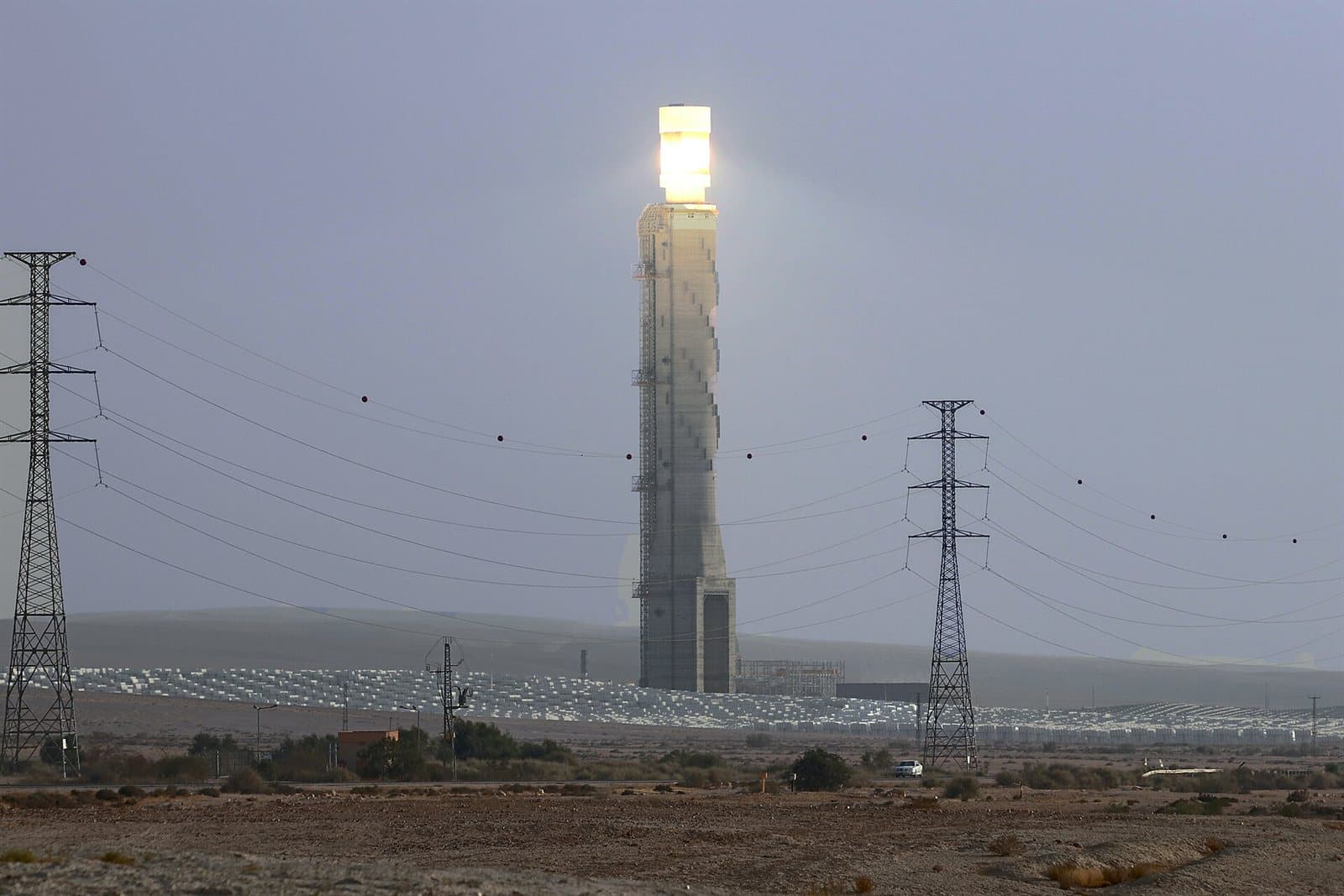
FIG. 01 — ENERGY ENGINEERING
What It Is
Energy engineering covers how energy gets generated, distributed, and used efficiently — traditional power systems, renewable energy like solar and wind, and energy efficiency in buildings and industry. Rather than being one standardized discipline, it draws on mechanical, electrical, and environmental engineering.
What Engineers Work On
Energy engineers work on how energy is generated, moved, stored, and wasted. That might mean sizing a solar array and its inverters, modelling how much a building's heating system actually costs to run, working out where a grid can absorb more intermittent generation, or auditing a factory to find the places energy is quietly disappearing. A lot of the job is measurement and modelling before anything gets built, because the argument for a change is usually financial as much as technical.
Real-World Examples
- Solar and wind power system design
- Power grid and energy distribution systems
- Building energy efficiency systems
- Battery storage and energy management systems
Common Misconceptions
Tap a card to see the reality behind each one.
Myth: Energy engineering means working on solar and wind.
Reality: Renewables are part of it. So are grids, storage, conventional generation, industrial process heat, and making buildings use less in the first place.
Myth: The job is designing new power plants.
Reality: Far more of the work is analysis — metering, modelling, and demonstrating that a proposed change will actually pay for itself.
Myth: Once a technology is cheap enough, it gets deployed.
Reality: Deployment runs into permitting, grid connection queues, and existing infrastructure that was not designed for it.
Myth: It's a separate engineering degree.
Reality: It is usually a specialisation. Most energy engineers studied electrical or mechanical engineering and moved toward energy through coursework and jobs.
A Day in the Life
Time splits between modelling and analysis at a computer and site work — walking plant, reading meters, checking what is actually installed against what the drawings claim. Reports and proposals take up a real share of the week, because most of the job involves convincing someone that a change is worth funding. Utility and permitting timelines often set the pace rather than the engineering itself.
One illustrative example day, not a guaranteed schedule — real days vary a lot by employer, role, and industry.
Meter data
Pulling a month of energy data for a building and spotting that it draws power overnight when it should be empty.
Pulling a month of energy data for a building and spotting that it draws power overnight when it should be empty.
Walking a plant room and rooftop to check what's actually installed against what the drawings say.
Building a model of how a battery system would charge and discharge across a typical day of demand.
Turning the model into a proposal: what it costs, what it saves, and how long it takes to pay back.
Checking with the utility what's needed to connect a new solar array, and how long the approval queue is.
Writing up audit findings in a way a building owner can actually act on.
Would you enjoy a job where proving a change is worth the money matters as much as the engineering itself?
Typical Projects
- Sizing a solar array, its inverters, and its connection for a specific site
- Auditing a building or factory and identifying where energy is being wasted
- Modelling how a battery system would behave across a day of demand
- Assessing whether a section of grid can take more intermittent generation
- Comparing heating or cooling options on both energy use and running cost
Getting Ready
Useful Subjects
- Physics
- Calculus
- Chemistry
- Statistics, if offered
- Computer science or programming, if offered
Helpful Skills
- Comfort with thermodynamics and electrical fundamentals, since the field sits across both
- Being able to work from measured data rather than assumptions, because savings claims have to survive scrutiny
- Basic financial literacy, since most proposals are argued on payback period as much as on physics
- Patience with regulation and utility processes, which shape what can actually be connected and when
- Enough programming or spreadsheet skill to model a system before committing to it
Where This Field Shows Up
Industries
- Utilities and grid operators
- Renewable energy developers
- Engineering consultancies doing audits and building services
- Manufacturers with large industrial energy loads
- Government energy and efficiency programmes
Related Majors
- Energy Engineering
- Electrical Engineering (some overlap)
- Mechanical Engineering (some overlap)
Career Explorer
Energy Engineer or Auditor
Measures how buildings or plants use energy and recommends changes that cut waste and cost.
Solar or Wind Project Engineer
Designs renewable installations and works them through permitting and grid connection.
Power Systems Engineer
Studies how the electrical grid handles new generation, storage, and changing demand.
Energy Storage Engineer
Designs and models battery systems that store energy and release it when it's needed.
Weighing It Up
Advantages
- The work connects directly to how much energy gets used and wasted, which is easy to care about
- It spans electrical and mechanical work, so the day-to-day varies more than in a narrower field
- Results are measurable — you can usually show what changed after a project
- Demand exists in both new build and in improving what already exists
Challenges
- Progress is often limited by cost, permitting, and grid access rather than by engineering
- The field is shaped by policy, which can shift with governments and funding cycles
- It isn't a single well-defined degree, so the path in is less signposted than most
- Savings have to be proven, and measurement is harder and messier than it sounds
Things People Dislike
- Waiting on permits, utility approvals, and grid connection queues
- Writing the business case over and over for work that is technically obvious
- Watching a sound proposal get rejected purely on payback period
- Site work in plant rooms and rooftops that are hot, cramped, or both
How Competitive Is It?
The U.S. Bureau of Labor Statistics counts energy engineers — including wind energy and solar energy systems engineers — in its broad "Engineers, All Other" group, and projects about 4% employment growth for that group from 2025 to 2035, roughly as fast as average, or about 6,200 new jobs over the decade. That group mixes many specializations, so it isn't a precise forecast for energy engineering, and a lot of energy work is done by people counted as electrical or mechanical engineers instead. The field is also shaped by energy policy and funding, which differ by country and can change with governments — research the current market and incentives where you live before making decisions.
What You Could Earn
United States (national median) · May 2025 — U.S. Bureau of Labor Statistics
Last verified: September 2026
Energy engineers aren't tracked as their own detailed BLS category — this figure is from the broader 'Engineers, All Other' group, which BLS lists as including energy engineers, wind energy engineers, and solar energy systems engineers. That group covers other specializations too, so treat it as a rough estimate rather than a precise figure for energy engineering. Energy work done under an electrical or mechanical engineering job title is counted under those occupations instead, so the Electrical Engineering page is worth a look as well.
What actually affects your salary?
The number above is a national median — the middle point across everyone in the field, not a typical starting salary. What you'd actually earn depends on things this page can't predict for you:
- Location — pay for the same job title can differ a lot by country, state, or even city, often tied to local cost of living.
- Years of experience — entry-level pay is usually well below the median, and typically rises over a career.
- Specialization — some sub-areas within a field pay differently (aerospace vs. general manufacturing, or power systems vs. consumer electronics, for example).
- Industry and company — a large company, a startup, and a government job can pay very differently for similar work.
- Education and licensure — an advanced degree or professional license can affect both which roles you're eligible for and what they pay.
- Economic conditions — hiring markets shift over time, so a number that was accurate a few years ago might not be now.
None of this makes the number above wrong — it's a real, sourced figure. It just means a single number can't tell you what you personally would earn.
Try It Yourself
- Read your home's electricity bill (with permission) and find out how much energy it used and when
- Use a free online solar calculator to estimate how much a set of panels on your roof might produce in a year
- List every device in your home that stays on standby, and think about which ones could be switched off
Questions to Ask Yourself
- Would I be motivated by work that cuts wasted energy, even if it's less visible than building a power plant?
- Am I comfortable with policy, permits, and funding shaping what I can do?
- Do I like a mix of data analysis at a computer and visits to sites and plant rooms?
- Would I enjoy making the financial case for a change, not just the technical one?
What Can I Do Next?
Grade level: High school
Grade systems vary by country — pick whichever tab is the closest match for where you are.
Not saved anywhere. (just for this visit — nothing is stored beyond your browser tab).
A project to try
Use a free solar calculator to estimate how much energy panels could produce on your home or school, and compare it with a year of electricity use.
A tool to learn
NREL's PVWatts calculator — free and U.S.-focused; similar tools exist for other countries.
A club or activity
Try a science fair project on energy, or join an environmental club or a renewable-energy competition, if your school takes part in one.
How to actually find one near you →