Industrial Engineering
Making systems — factories, supply chains, hospitals, even checkout lines — work more efficiently, with fewer wasted resources and less wasted time.
FIG. 01 — INDUSTRIAL ENGINEERING
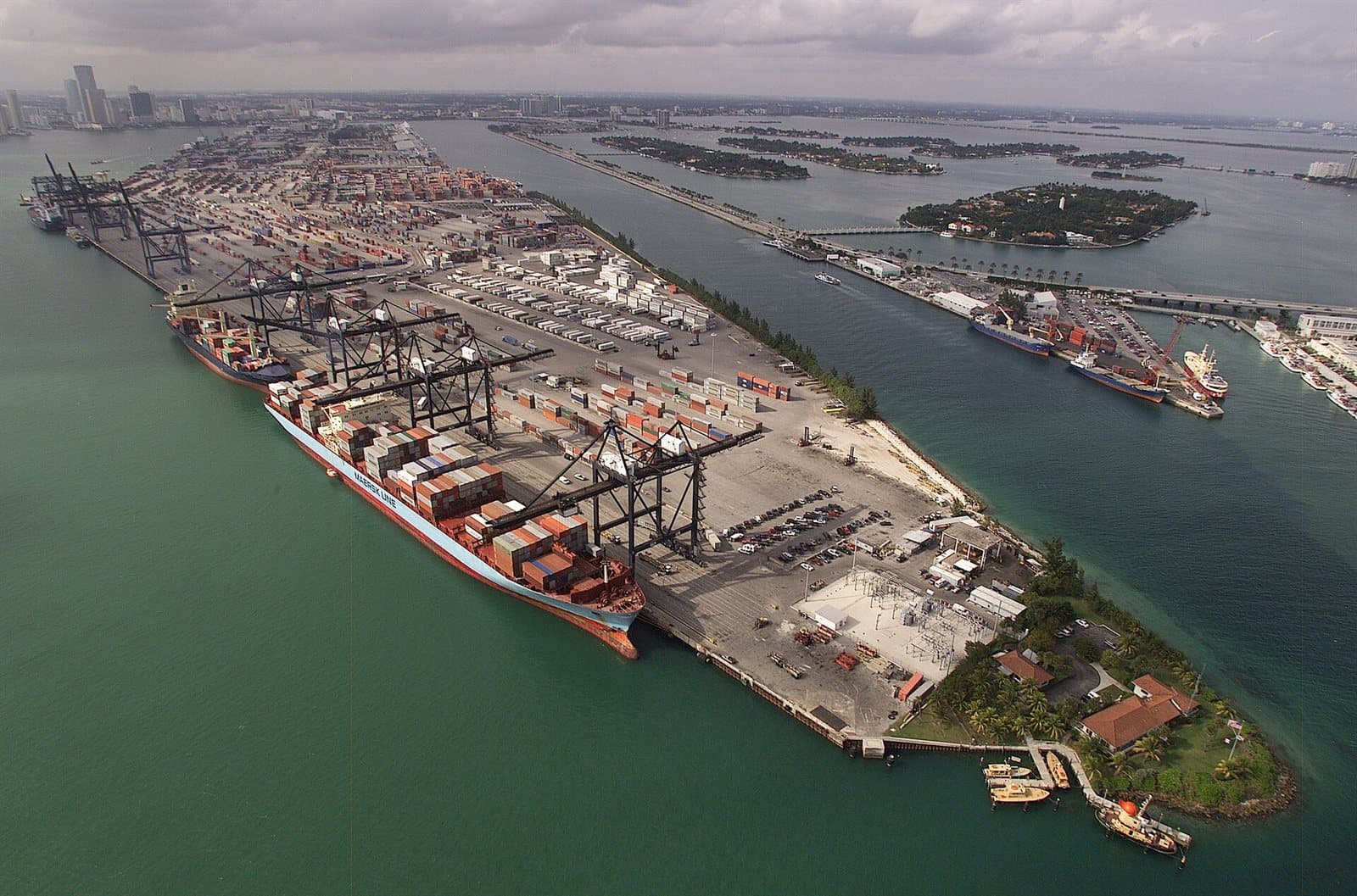
What It Is
Industrial engineering is about improving how complex systems work — manufacturing lines, supply chains, hospitals, logistics networks, even service processes like a checkout line. Rather than designing a single physical product, industrial engineers focus on how people, machines, materials, and information all work together, and how to make that whole system more efficient, safer, or higher quality.
What Engineers Work On
Industrial engineers evaluate manufacturing, delivery, customer experience, or other systems to identify ways to improve productivity and quality. They gather information through observation, data collection, and surveys, then design improved processes, often collaborating with people across many different departments who aren't necessarily engineers themselves. A lot of the work involves finding waste or bottlenecks in an existing system and figuring out how to remove them.
Real-World Examples
- Factory floor layout and production line design
- Warehouse and supply chain logistics
- Hospital patient flow and scheduling systems
- Airport security and boarding process design
- Retail checkout and customer service process improvement
Common Misconceptions
Tap a card to see the reality behind each one.
Myth: Industrial engineers work on the factory floor operating machines.
Reality: Most of the job is analysis and process design, not machine operation.
Myth: It's less 'technical' than other engineering fields because it doesn't focus on a single physical product.
Reality: The underlying math, like statistics and optimization, can be just as demanding.
Myth: It only applies to factories.
Reality: Industrial engineering principles are used in healthcare, logistics, retail, and many service industries.
A Day in the Life
The job means gathering data through observation, surveys, or existing records, analyzing it to find inefficiencies, and working with teams across a business to redesign a process. Much of it happens in meetings and on-site observation, in addition to computer-based analysis.
One illustrative example day, not a guaranteed schedule — real days vary a lot by employer, role, and industry.
Floor observation
Watching a production or service process in action to see where delays happen.
Watching a production or service process in action to see where delays happen.
Analyzing collected data to measure how much time or material a specific step is wasting.
Discussing a proposed process change with people from operations, who aren't engineers themselves.
Building a simple model to compare two possible ways of redesigning a process before committing to one.
Checking results from a small-scale trial of a process change.
Writing a recommendation report summarizing today's findings.
Would you enjoy spending your day improving how an existing system works, rather than designing one single new physical thing?
Typical Projects
- Observing a manufacturing line and identifying where time or materials are being wasted
- Analyzing data to find bottlenecks in a supply chain or scheduling system
- Redesigning a workflow or facility layout to improve efficiency
- Building a model to compare different process changes before implementing one
Getting Ready
Useful Subjects
- Advanced mathematics, including statistics
- Physics
- Any intro to programming or data analysis, if available
Helpful Skills
- Comfort with statistics and data analysis, since a lot of the job involves measuring and improving a process
- Systems thinking — understanding how a change in one part of a process affects everything else
- Communication and collaboration skills, since projects usually involve working with non-engineers across different departments
- Comfort with ambiguity, since improving a messy real-world system doesn't always have one clear right answer
Where This Field Shows Up
Industries
- Manufacturing
- Logistics and supply chain
- Healthcare systems
- Retail
- Consulting
- Technology
Related Majors
- Industrial Engineering
- Operations Research
- Systems Engineering
Career Explorer
Process Improvement Engineer
Analyzes existing workflows and redesigns them to reduce waste and improve efficiency.
Supply Chain Engineer
Designs and optimizes how materials and products move from suppliers to customers.
Quality Engineer
Focuses on making sure products or processes consistently meet quality standards.
Operations Research Analyst
Uses mathematical modeling and data analysis to help organizations make better operational decisions.
Weighing It Up
Advantages
- Skills transfer across an unusually wide range of industries — manufacturing, healthcare, logistics, retail, and more
- Very strong, government-tracked job growth — the U.S. Bureau of Labor Statistics projects 12% employment growth from 2025 to 2035, much faster than average
- Work directly improves how real systems function, which can mean visible, measurable results
Challenges
- The work is less about a single physical product and more about ambiguous, messy real-world systems, which some people find less satisfying than concrete design work
- Requires strong statistics and data analysis skills, which can be a heavier math load than some expect
- Success often depends on convincing non-engineers to change how they work, which requires real communication and persuasion skills
Things People Dislike
- A lot of time in meetings and stakeholder conversations rather than hands-on technical work
- Recommendations can be resisted by people used to doing things a certain way, which can be frustrating
- The role can feel less 'engineering' to some people, since the end product is usually a better process rather than a physical object
How Competitive Is It?
The U.S. Bureau of Labor Statistics projects 12% employment growth for industrial engineers from 2025 to 2035 — much faster than average for all occupations — with about 23,100 openings projected per year over that decade, one of the largest annual opening counts among engineering fields, driven by many industries needing this kind of process-improvement work. Because the field applies across so many industries, demand tends to be less tied to any single sector's ups and downs, though it's still worth researching current hiring trends in your specific region and industry.
What You Could Earn
United States (national median) · May 2025 — U.S. Bureau of Labor Statistics
Last verified: September 2026
This is a U.S. national median across all experience levels and specializations — not a starting salary, and not adjusted for your region. Because industrial engineers work across so many different industries, pay can vary a lot depending on the sector.
What actually affects your salary?
The number above is a national median — the middle point across everyone in the field, not a typical starting salary. What you'd actually earn depends on things this page can't predict for you:
- Location — pay for the same job title can differ a lot by country, state, or even city, often tied to local cost of living.
- Years of experience — entry-level pay is usually well below the median, and typically rises over a career.
- Specialization — some sub-areas within a field pay differently (aerospace vs. general manufacturing, or power systems vs. consumer electronics, for example).
- Industry and company — a large company, a startup, and a government job can pay very differently for similar work.
- Education and licensure — an advanced degree or professional license can affect both which roles you're eligible for and what they pay.
- Economic conditions — hiring markets shift over time, so a number that was accurate a few years ago might not be now.
None of this makes the number above wrong — it's a real, sourced figure. It just means a single number can't tell you what you personally would earn.
Try It Yourself
- Time a repetitive task a few different ways and compare which is fastest
- Map out a process you experience regularly, like a cafeteria line, and identify where the slowdowns happen
- Learn a basic flowchart technique and use it to map out and improve a real process
Questions to Ask Yourself
- Am I more interested in improving how an existing system works than designing one new physical thing?
- Am I comfortable with ambiguous problems that don't have one single correct answer?
- Do I enjoy working with people across different roles, including people who aren't engineers?
- Am I comfortable with statistics and data analysis being a central part of the work?
What Can I Do Next?
Grade level: High school
Grade systems vary by country — pick whichever tab is the closest match for where you are.
Not saved anywhere. (just for this visit — nothing is stored beyond your browser tab).
A project to try
Pick a process you experience regularly, like a school cafeteria line, and sketch out where the slowdowns happen and how you'd fix them.
A tool to learn
No special tools needed yet — pen, paper, and observation.
A club or activity
Look into a business or entrepreneurship club, which sometimes covers process and operations topics.
How to actually find one near you →