Marine Engineering
Ships, submarines, and other vessels built for the ocean — designed and kept running.
FIG. 01 — MARINE ENGINEERING
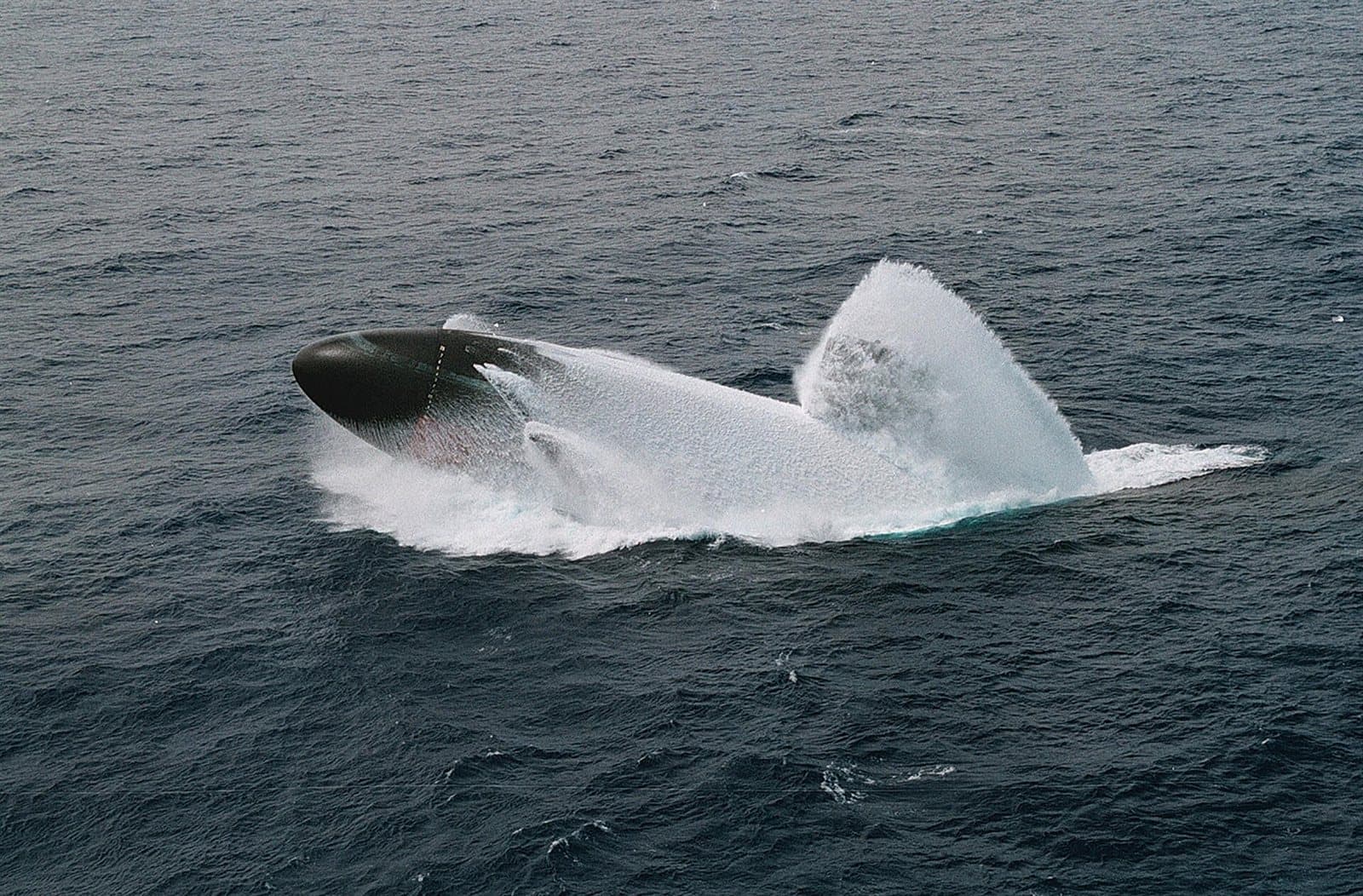
What It Is
Marine engineering, often paired with naval architecture, focuses on designing, building, and maintaining ships, submarines, and other marine vessels and structures — the hull, propulsion systems, and onboard mechanical and electrical systems all need to work reliably in a demanding ocean environment.
What Engineers Work On
Marine engineers design and maintain the propulsion, power, and mechanical systems that keep ships and other vessels running, while naval architects (a closely related role, often studied together) focus more on the hull and overall vessel design. Marine engineers test how systems hold up under real ocean conditions — pressure, corrosion, and constant motion — and work to keep existing vessels operating safely and efficiently.
Real-World Examples
- Ship hull design and structural analysis
- Ship propulsion and power systems
- Offshore platform design
- Submarine and naval vessel systems
Common Misconceptions
Tap a card to see the reality behind each one.
Myth: Marine engineers work only on naval or military ships.
Reality: The field also covers commercial cargo ships, cruise ships, fishing vessels, offshore platforms, and recreational boats.
Myth: It's the same as naval architecture.
Reality: Naval architects focus more on a vessel's hull, stability, and overall design; marine engineers focus more on the propulsion, power, and mechanical systems inside it. In practice, the two fields overlap and are often studied together.
Myth: The job requires being at sea constantly.
Reality: Many marine engineers work in offices, shipyards, or design firms, with sea time being one part of some roles rather than the whole job.
A Day in the Life
Design and analysis work in an office gives way to time at a shipyard or aboard a vessel, inspecting real systems and structures. The balance between office and hands-on site work varies a lot depending on the specific role and employer.
One illustrative example day, not a guaranteed schedule — real days vary a lot by employer, role, and industry.
Shipyard inspection
Inspecting a vessel's propulsion system for wear or needed maintenance.
Inspecting a vessel's propulsion system for wear or needed maintenance.
Reviewing a design for a new propulsion system component against performance requirements.
Analyzing how a hull section holds up under a proposed new load.
Meeting with a naval architect to coordinate how structural and mechanical systems fit together.
Evaluating how a material is holding up against corrosion after time in saltwater.
Documenting today's findings and updating the project plan.
Would you enjoy engineering work that has to hold up against one of the most physically demanding environments — constant saltwater, pressure, and motion?
Typical Projects
- Designing or evaluating a vessel's propulsion or power system
- Analyzing how a ship's hull and structure hold up under real ocean stress and loads
- Inspecting an existing vessel's mechanical systems for wear, corrosion, or needed repairs
- Working on the design of an offshore platform or other marine structure
Getting Ready
Useful Subjects
- Physics
- Calculus
- Chemistry (for understanding corrosion and materials)
Helpful Skills
- Strong mechanical and structural fundamentals, since vessels have to withstand extreme, constant physical stress
- Comfort with corrosion, materials, and how they behave in a saltwater environment over time
- Systems thinking, since a vessel's propulsion, power, and structural systems all have to work together reliably
- Willingness to work at a shipyard or aboard a vessel, at least for some roles
Where This Field Shows Up
Industries
- Shipbuilding
- Commercial shipping
- Naval and defense
- Offshore energy
- Marine equipment manufacturing
Related Majors
- Marine Engineering
- Naval Architecture
- Mechanical Engineering (some overlap)
Career Explorer
Marine Systems Engineer
Designs and maintains a vessel's propulsion, power, and mechanical systems.
Naval Architect
Focuses on a vessel's hull design, stability, and overall structural form, closely paired with marine engineering.
Offshore Structures Engineer
Designs platforms and structures built to operate safely in open ocean conditions.
Marine Surveyor
Inspects vessels and marine structures to assess their condition, safety, and compliance with standards.
Weighing It Up
Advantages
- Highly specialized expertise with steady demand wherever ships and marine structures are built or maintained
- Real, tangible engineering challenges — few environments are as physically demanding as the open ocean
- Work can span a wide range of vessel types, from commercial shipping to defense to offshore energy
Challenges
- The physical demands of the ocean environment — pressure, corrosion, constant motion — make for genuinely difficult engineering problems
- Some roles require time at a shipyard or aboard a vessel, which isn't a fit for everyone
- The field is more specialized and smaller than many other engineering disciplines, which can narrow where the work is available
Things People Dislike
- Some roles require extended time away from home, at a shipyard or aboard a vessel
- The field is concentrated in specific coastal or port regions, which can limit where you can work
- Corrosion, wear, and maintenance issues are a constant, ongoing part of the work, not a one-time design problem
How Competitive Is It?
The U.S. Bureau of Labor Statistics projects 7% employment growth for marine engineers and naval architects from 2025 to 2035 — faster than the average for all occupations — with about 500 openings projected per year over that decade. Demand is tied to shipbuilding, commercial shipping, and naval activity, which can vary by region and country — research the current market and shipbuilding industry in your specific area before making decisions.
What You Could Earn
United States (national median) · May 2025 — U.S. Bureau of Labor Statistics
Last verified: September 2026
This is a U.S. national median across all experience levels — not a starting salary, and not adjusted for your region.
What actually affects your salary?
The number above is a national median — the middle point across everyone in the field, not a typical starting salary. What you'd actually earn depends on things this page can't predict for you:
- Location — pay for the same job title can differ a lot by country, state, or even city, often tied to local cost of living.
- Years of experience — entry-level pay is usually well below the median, and typically rises over a career.
- Specialization — some sub-areas within a field pay differently (aerospace vs. general manufacturing, or power systems vs. consumer electronics, for example).
- Industry and company — a large company, a startup, and a government job can pay very differently for similar work.
- Education and licensure — an advanced degree or professional license can affect both which roles you're eligible for and what they pay.
- Economic conditions — hiring markets shift over time, so a number that was accurate a few years ago might not be now.
None of this makes the number above wrong — it's a real, sourced figure. It just means a single number can't tell you what you personally would earn.
Try It Yourself
- Research how a ship stays afloat and try a simple buoyancy experiment with clay or foil
- Build a simple boat hull from household materials and test how much weight it can hold
- Research how modern ships resist corrosion in saltwater
Questions to Ask Yourself
- Would I enjoy engineering work that has to hold up against extremely demanding physical conditions, like constant saltwater and pressure?
- Am I comfortable with some roles requiring time at a shipyard or aboard a vessel, possibly away from home?
- Am I drawn to marine engineering specifically, or more broadly to mechanical or structural engineering?
What Can I Do Next?
Grade level: High school
Grade systems vary by country — pick whichever tab is the closest match for where you are.
Not saved anywhere. (just for this visit — nothing is stored beyond your browser tab).
A project to try
Build a simple boat hull out of household materials and test how much weight it can hold before sinking.
A tool to learn
Basic household materials — cardboard, foil, or plastic containers, and weights for testing.
A club or activity
Look into a Science Olympiad team, which sometimes includes boat-design or naval-engineering-related events.
How to actually find one near you →