Nuclear Engineering
The systems that generate and safely manage nuclear energy — designed and constantly monitored.
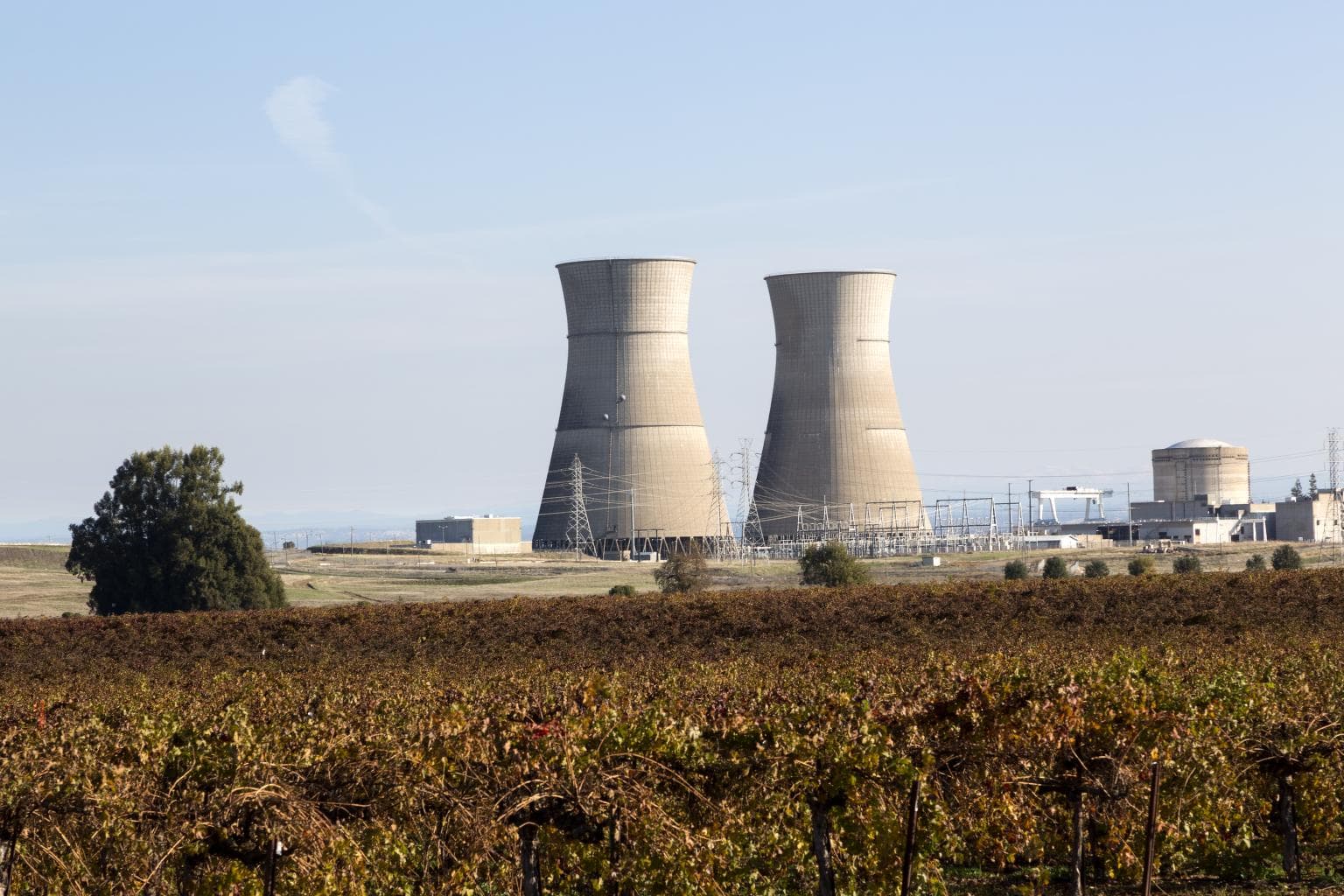
FIG. 01 — NUCLEAR ENGINEERING
What It Is
Nuclear engineering focuses on the safe design, operation, and monitoring of systems that use nuclear energy — from power plants to medical and research applications. It combines physics, safety engineering, and strict regulatory compliance, since the consequences of an error are unusually serious.
What Engineers Work On
Nuclear engineers design the systems and safety procedures for producing and using nuclear energy, monitor reactor operations to make sure everything runs within strict safety limits, write and review procedures for handling and disposing of radioactive materials, and investigate ways to make nuclear processes safer or more efficient. A lot of the job involves working within a dense web of federal regulations, since nuclear safety oversight is some of the strictest in any engineering field.
Real-World Examples
- Nuclear power plant design and safety systems
- Nuclear medicine and radiation therapy equipment
- Nuclear waste storage and disposal systems
- Naval nuclear propulsion systems
Common Misconceptions
Tap a card to see the reality behind each one.
Myth: Nuclear engineers work directly with weapons.
Reality: Most nuclear engineers work in civilian power generation, medicine, or research, not defense.
Myth: The job is mostly about physics theory.
Reality: Most of the actual work is applied: monitoring systems, writing safety procedures, and making sure real equipment operates within strict limits.
Myth: It's a shrinking field because few new plants are being built.
Reality: A lot of the work is maintaining, monitoring, and eventually decommissioning the plants that already exist, plus growing applications in medicine and research.
A Day in the Life
Expect a rotation of monitoring plant or system data, reviewing and writing safety documentation, and coordinating with a team on regulatory compliance. Time is split between an office or control room and, depending on the role, in-person time at the physical facility.
One illustrative example day, not a guaranteed schedule — real days vary a lot by employer, role, and industry.
Shift briefing
Reviewing overnight reactor performance data and any notes from the previous shift.
Reviewing overnight reactor performance data and any notes from the previous shift.
Monitoring live reactor data to confirm all systems are within normal operating limits.
Reviewing a procedure for handling radioactive material to make sure it meets current regulations.
Meeting with a compliance team to prepare documentation for an upcoming inspection.
Investigating a minor irregularity in a system reading to rule out any underlying issue.
Logging today's findings and briefing the incoming shift.
Would you be comfortable with a job where following exact procedures matters as much as technical skill?
Typical Projects
- Monitoring reactor performance data to confirm it's operating within safety limits
- Writing or reviewing a procedure for safely handling or storing radioactive material
- Investigating a way to make an existing nuclear process more efficient without compromising safety
- Working with a team to prepare for a regulatory inspection or audit
Getting Ready
Useful Subjects
- Physics (especially nuclear and modern physics, if offered)
- Calculus
- Chemistry
Helpful Skills
- Comfort with strict rules and procedures, since nuclear work is governed by some of the most detailed safety regulations in any engineering field
- Careful, methodical attention to detail — a small oversight in this field can have serious consequences
- Strong math and physics fundamentals, since reactor behavior is grounded in nuclear physics
- Clear written communication, since safety procedures and regulatory documentation have to be exact and unambiguous
Where This Field Shows Up
Industries
- Nuclear power generation
- Nuclear medicine and healthcare
- National laboratories and research
- Naval and defense
- Nuclear waste management
Related Majors
- Nuclear Engineering
- Mechanical Engineering (some overlap)
Career Explorer
Reactor Engineer
Monitors and optimizes the operation of a nuclear reactor to keep it running safely and efficiently.
Nuclear Safety Engineer
Focuses specifically on the safety systems and procedures that prevent and respond to potential incidents.
Radiation Protection Engineer
Designs and monitors systems that protect workers and the public from radiation exposure.
Nuclear Fuel Engineer
Works on the design, performance, and management of the fuel used in a nuclear reactor.
Weighing It Up
Advantages
- Strong median pay relative to many other engineering fields
- Highly specialized expertise that's in consistent demand wherever nuclear facilities operate
- Work that has a direct, meaningful connection to a country's energy infrastructure or medical care
Challenges
- Employment growth is essentially flat — the U.S. Bureau of Labor Statistics projects almost no change in the number of nuclear engineering jobs through 2035
- Heavy regulatory and procedural requirements shape almost every part of the work, leaving less room for open-ended design
- Public perception of nuclear energy can be a source of pressure or scrutiny, regardless of an individual engineer's actual work
Things People Dislike
- A significant amount of documentation and procedural review, rather than hands-on design work
- A limited number of new nuclear facilities being built in some countries, which can narrow where the work is available
- Working around radioactive materials requires constant attention to safety protocol, which some find stressful over time
How Competitive Is It?
The U.S. Bureau of Labor Statistics projects essentially no change (0%) in employment for nuclear engineers from 2025 to 2035 — among the flattest projections of any engineering field on this site — with about 800 openings projected per year over that decade, mostly from workers retiring or changing careers rather than from new positions being created. That doesn't mean the field is shrinking, since existing nuclear plants and facilities need ongoing staffing, but it does mean the number of nuclear engineering positions isn't expected to grow. Demand can also shift with a country's energy policy decisions — research the current market and any planned nuclear projects in your specific region before making decisions.
What You Could Earn
United States (national median) · May 2025 — U.S. Bureau of Labor Statistics
Last verified: September 2026
This is a U.S. national median across all experience levels — not a starting salary, and not adjusted for your region.
What actually affects your salary?
The number above is a national median — the middle point across everyone in the field, not a typical starting salary. What you'd actually earn depends on things this page can't predict for you:
- Location — pay for the same job title can differ a lot by country, state, or even city, often tied to local cost of living.
- Years of experience — entry-level pay is usually well below the median, and typically rises over a career.
- Specialization — some sub-areas within a field pay differently (aerospace vs. general manufacturing, or power systems vs. consumer electronics, for example).
- Industry and company — a large company, a startup, and a government job can pay very differently for similar work.
- Education and licensure — an advanced degree or professional license can affect both which roles you're eligible for and what they pay.
- Economic conditions — hiring markets shift over time, so a number that was accurate a few years ago might not be now.
None of this makes the number above wrong — it's a real, sourced figure. It just means a single number can't tell you what you personally would earn.
Try It Yourself
- Research how a nuclear power plant generates electricity and sketch out the process
- Research how nuclear medicine is used in healthcare and how it differs from a power plant
- Research the safety systems used in modern reactor designs
Questions to Ask Yourself
- Am I comfortable with a field where following exact procedures matters as much as raw technical skill?
- Does knowing the number of nuclear engineering jobs is expected to stay flat, not grow, change how I feel about the field?
- Am I interested in nuclear energy specifically, or more broadly in energy systems in general?
What Can I Do Next?
Grade level: High school
Grade systems vary by country — pick whichever tab is the closest match for where you are.
Not saved anywhere. (just for this visit — nothing is stored beyond your browser tab).
A project to try
Research how nuclear medicine is used to diagnose or treat illness, and summarize how it's different from a nuclear power plant.
A tool to learn
No special tools needed yet — reliable science sources.
A club or activity
Look into a Science Olympiad team, which sometimes covers energy or nuclear-related events.
How to actually find one near you →