Petroleum Engineering
How oil and natural gas get extracted from the ground, safely and efficiently.
FIG. 01 — PETROLEUM ENGINEERING
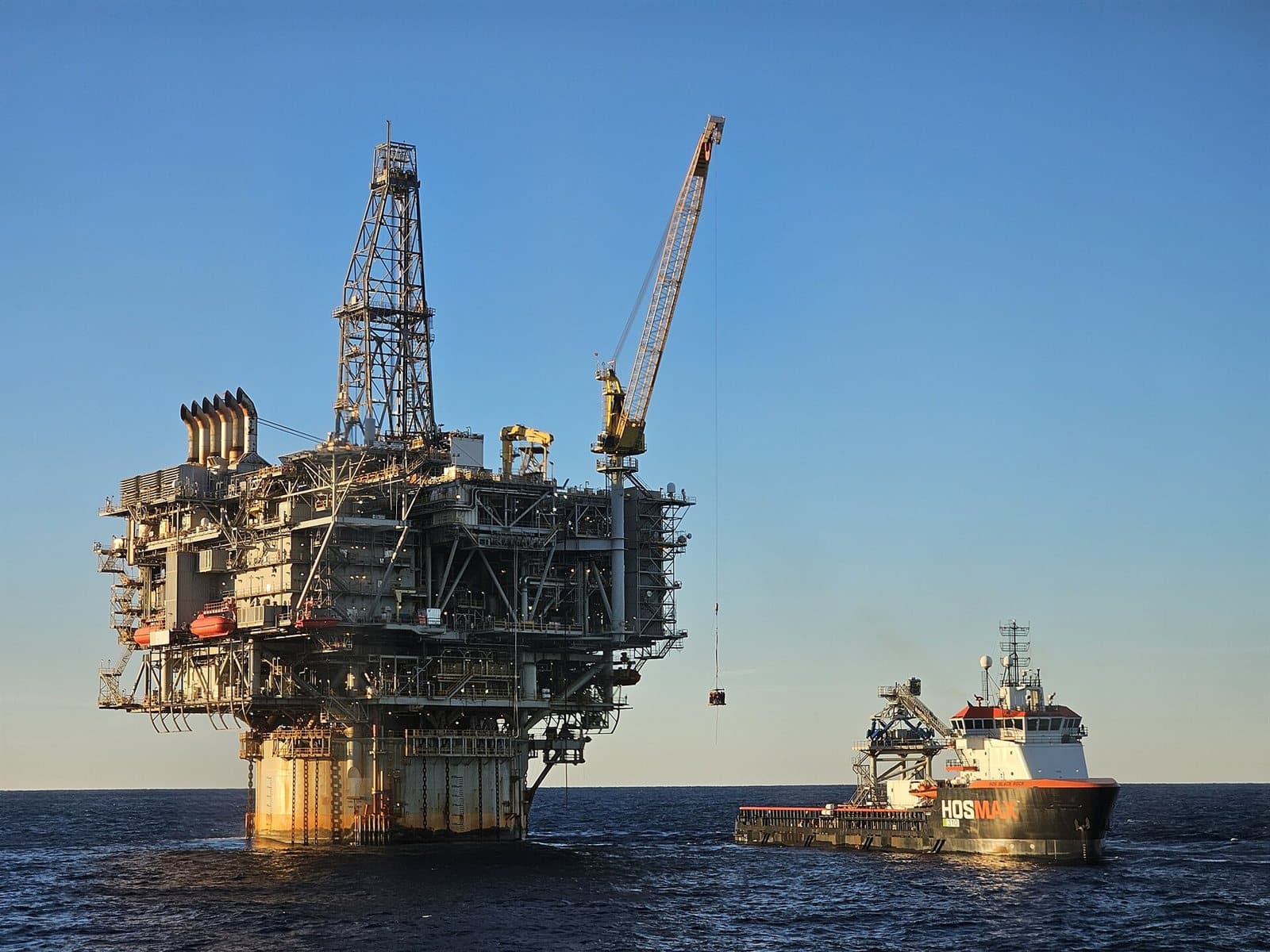
What It Is
Petroleum engineering focuses on how to extract oil and natural gas from the ground safely and efficiently — designing extraction methods, drilling plans, and production systems. It's a specialized field tied closely to the energy industry's own economic cycles.
What Engineers Work On
Petroleum engineers design and evaluate methods for extracting oil and natural gas from underground reservoirs, analyze geological data to estimate how much a site can produce, design drilling plans and production equipment, and work to improve extraction efficiency while managing safety and environmental risk. A lot of the work involves close collaboration with geologists and geoscientists, since a reservoir's underlying geology drives almost every engineering decision.
Real-World Examples
- Oil and gas well design and drilling plans
- Extraction equipment and production systems
- Reservoir analysis to estimate how much oil or gas a site can produce
Common Misconceptions
Tap a card to see the reality behind each one.
Myth: Petroleum engineers spend their careers physically working on drilling rigs.
Reality: Many roles are based in an office analyzing data and planning, with periodic site visits rather than full-time fieldwork.
Myth: It's the same job as a geologist.
Reality: Geologists study and interpret the rock and fluid formations underground; petroleum engineers use that information to design how to safely and efficiently extract resources from them.
Myth: The field is disappearing entirely.
Reality: Global demand growth for oil and gas has slowed, but the field isn't vanishing, and pay remains among the highest of any engineering discipline.
A Day in the Life
Office-based data analysis and modeling fills most weeks, with — depending on the role — time at a field site reviewing operations in person. Collaboration with geologists and other engineers is a constant part of the job, since reservoir decisions require input from multiple disciplines.
One illustrative example day, not a guaranteed schedule — real days vary a lot by employer, role, and industry.
Data review
Reviewing overnight production data from an active well.
Reviewing overnight production data from an active well.
Analyzing geological data with a geologist to estimate a new site's production potential.
Working on a drilling plan for a proposed well, factoring in depth, equipment, and safety requirements.
Meeting with field operations staff to review how an active extraction site is performing.
Evaluating the safety and environmental risk of a proposed change to an extraction method.
Documenting today's analysis and updating the project plan.
Would you be comfortable in a field where pay is strong but tied closely to the ups and downs of global energy markets?
Typical Projects
- Analyzing reservoir data to estimate how much oil or gas a site can produce
- Designing a drilling plan for a new well
- Evaluating ways to improve extraction efficiency from an existing well
- Assessing the safety and environmental risk of a proposed extraction method
Getting Ready
Useful Subjects
- Physics
- Chemistry
- Calculus
- Earth science or geology, if available
Helpful Skills
- Comfort interpreting geological and reservoir data to make engineering decisions
- Strong math and physics fundamentals for modeling fluid flow and reservoir behavior
- Risk assessment — weighing safety, cost, and environmental factors when planning extraction
- Willingness to travel to or work at remote field sites, at least periodically
Where This Field Shows Up
Industries
- Oil and gas extraction
- Energy consulting
- Offshore drilling
- Reservoir engineering firms
- Government energy agencies
Related Majors
- Petroleum Engineering
- Chemical Engineering (some overlap)
Career Explorer
Drilling Engineer
Designs and oversees the plans for safely and efficiently drilling a well.
Reservoir Engineer
Analyzes underground reservoir data to estimate production potential and plan extraction strategy.
Production Engineer
Focuses on optimizing how efficiently an existing well or field produces oil or gas.
Completions Engineer
Designs the final steps that prepare a drilled well for production.
Weighing It Up
Advantages
- Among the highest median salaries of any engineering field on this site
- Work directly shapes how a major global energy resource is extracted and used
- Strong technical variety — geology, fluid mechanics, and equipment design all come into play
Challenges
- Pay and job stability are closely tied to global oil and gas prices, which can shift quickly
- Some roles require travel to or extended time at remote field sites
- The field faces real long-term questions about the pace of the global transition away from fossil fuels
Things People Dislike
- Job security can feel less predictable than in fields less tied to commodity prices
- Remote or physically demanding field site conditions in some roles
- Public perception of the oil and gas industry can be a source of added scrutiny
How Competitive Is It?
The U.S. Bureau of Labor Statistics projects 2% employment growth for petroleum engineers from 2025 to 2035 — slower than the average for all occupations — with about 1,000 openings projected per year over that decade, mostly from workers retiring or changing careers. Pay is among the highest of any engineering field, but both hiring and compensation are closely tied to global oil and gas prices, which can shift substantially from year to year. Research current market conditions and hiring trends in your specific region and industry sector before making decisions.
What You Could Earn
United States (national median) · May 2025 — U.S. Bureau of Labor Statistics
Last verified: September 2026
This is a U.S. national median across all experience levels — not a starting salary, and not adjusted for your region. This field is closely tied to oil and gas industry cycles, which affects both pay and job stability.
What actually affects your salary?
The number above is a national median — the middle point across everyone in the field, not a typical starting salary. What you'd actually earn depends on things this page can't predict for you:
- Location — pay for the same job title can differ a lot by country, state, or even city, often tied to local cost of living.
- Years of experience — entry-level pay is usually well below the median, and typically rises over a career.
- Specialization — some sub-areas within a field pay differently (aerospace vs. general manufacturing, or power systems vs. consumer electronics, for example).
- Industry and company — a large company, a startup, and a government job can pay very differently for similar work.
- Education and licensure — an advanced degree or professional license can affect both which roles you're eligible for and what they pay.
- Economic conditions — hiring markets shift over time, so a number that was accurate a few years ago might not be now.
None of this makes the number above wrong — it's a real, sourced figure. It just means a single number can't tell you what you personally would earn.
Try It Yourself
- Research how oil and natural gas are formed underground and how they're located
- Research how a drilling rig works and sketch the basic steps of drilling a well
- Look into how a real oil or gas field's production has changed over time using public data
Questions to Ask Yourself
- Am I comfortable with a field where pay and job stability are tied closely to global energy prices?
- Am I interested in earth science and geology as much as traditional engineering?
- Would I be comfortable traveling to or working at a remote field site, at least periodically?
What Can I Do Next?
Grade level: High school
Grade systems vary by country — pick whichever tab is the closest match for where you are.
Not saved anywhere. (just for this visit — nothing is stored beyond your browser tab).
A project to try
Research how a drilling rig works and sketch the basic steps of drilling a well.
A tool to learn
No special tools needed yet — reliable science sources.
A club or activity
Look into a Science Olympiad team, which sometimes covers earth science topics.
How to actually find one near you →