Robotics & Mechatronics Engineering
Combining mechanical, electrical, and software engineering to design machines that sense, move, and act on their own.
FIG. 01 — ROBOTICS & MECHATRONICS ENGINEERING
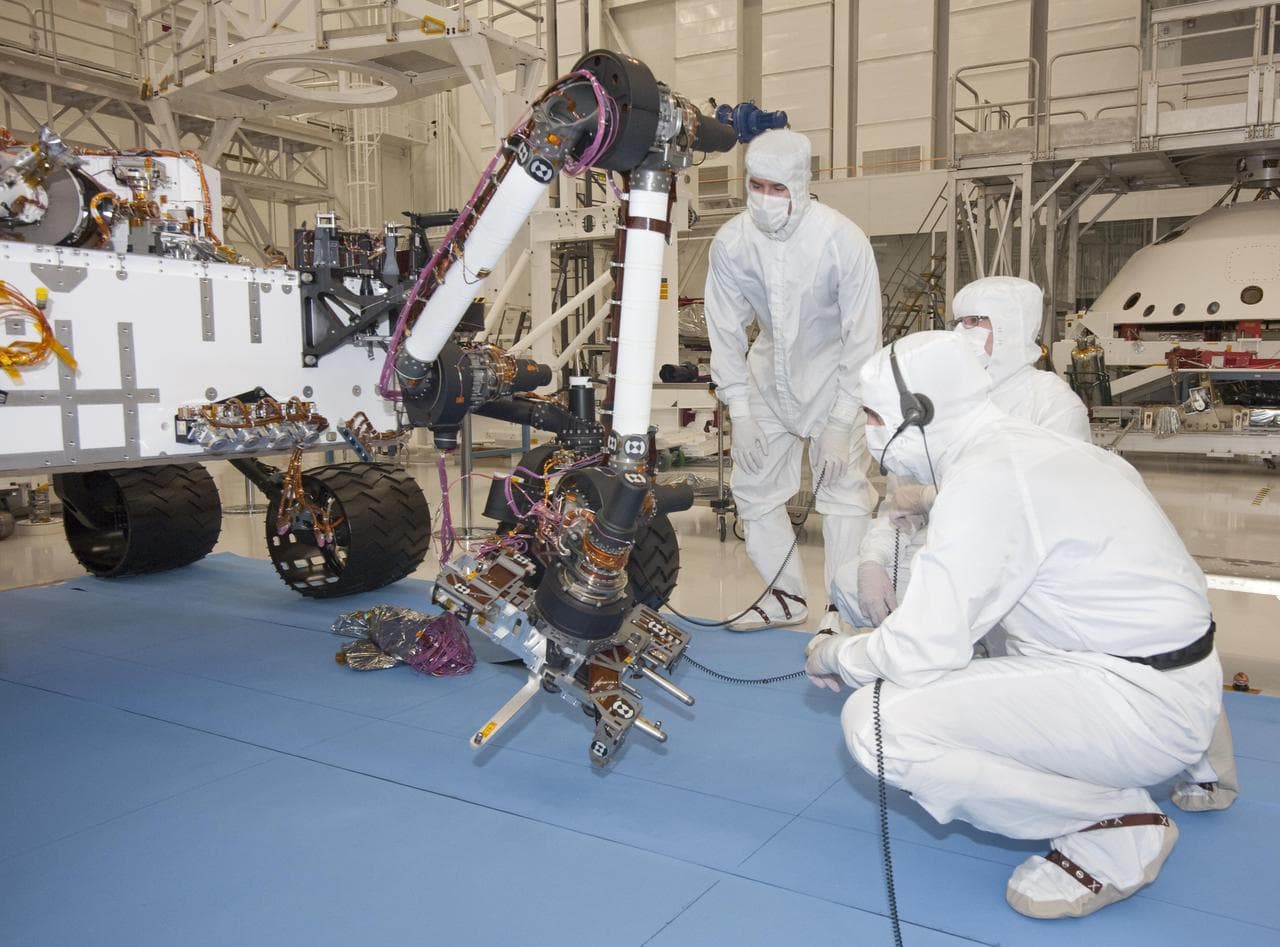
What It Is
Robotics and mechatronics engineering combines mechanical, electrical, and software engineering to design machines that can sense their environment, move, and act — from industrial robotic arms to autonomous vehicles to consumer robots. It's inherently interdisciplinary: a robot needs a physical structure (mechanical), sensors and actuators (electrical), and code to actually control its behavior (software), so the field doesn't fit neatly into any single traditional engineering category.
What Engineers Work On
Robotics engineers design the physical structure and mechanisms of a robot, select and integrate sensors and actuators, write control software that tells the robot how to respond to its environment, and test the whole system together to make sure the mechanical, electrical, and software parts actually work as one system. A lot of the job is troubleshooting problems at the boundary between disciplines — figuring out whether an issue is mechanical, electrical, or in the code.
Real-World Examples
- Industrial robotic arms used in manufacturing
- Autonomous vehicles and drones
- Warehouse and logistics robots
- Surgical and medical robots
- Consumer robots, like robotic vacuum cleaners
Common Misconceptions
Tap a card to see the reality behind each one.
Myth: It's its own single, standardized major everywhere.
Reality: Some universities offer a dedicated robotics or mechatronics degree, while others expect you to specialize through mechanical, electrical, or computer engineering with a robotics focus.
Myth: It's mostly about building humanoid robots.
Reality: Most real-world robotics work is industrial or task-specific, like arms, drones, or vehicles, not human-shaped machines.
Myth: You need to be equally expert in mechanical, electrical, and software engineering from day one.
Reality: Most people specialize in one area and build working knowledge of the others over time.
A Day in the Life
The job spans mechanical design, electrical and sensor work, and writing control software, plus significant time testing the integrated system as a whole. Because robotics problems can originate in any of the three underlying disciplines, a lot of the job is genuinely cross-disciplinary troubleshooting.
One illustrative example day, not a guaranteed schedule — real days vary a lot by employer, role, and industry.
Mechanical design
Working on the physical structure or a joint mechanism for a robotic system.
Working on the physical structure or a joint mechanism for a robotic system.
Wiring up and testing a new sensor on the robot.
Writing code that determines how the robot responds to sensor input.
Running the full system together and seeing where it breaks down.
The robot isn't behaving as expected, and it's unclear whether the cause is mechanical, electrical, or in the code.
Recording today's changes and open issues for tomorrow.
Would you enjoy a job where you constantly have to figure out whether a problem is mechanical, electrical, or a software bug, rather than staying in just one lane?
Typical Projects
- Designing the physical structure and joints of a robotic arm
- Writing control software that lets a robot respond to sensor input
- Integrating a new sensor or actuator into an existing robotic system
- Debugging why a robot isn't behaving as expected — and figuring out which discipline the problem is actually in
Getting Ready
Useful Subjects
- Physics (especially mechanics and electricity)
- Calculus
- Any intro to programming, if available
- Technical drawing or CAD, if available
Helpful Skills
- Comfort working across disciplines, since a robotics problem could be mechanical, electrical, or software in nature
- Systems thinking — understanding how physical structure, sensors, and code all affect each other
- Patience for integration testing, since getting all three disciplines to work together is often harder than getting any one of them to work alone
- Basic programming, since most robotics work involves writing control software at some level
Where This Field Shows Up
Industries
- Manufacturing and automation
- Automotive
- Consumer robotics
- Aerospace and defense
- Healthcare and medical devices
- Logistics and warehousing
Related Majors
- Robotics Engineering
- Mechatronics Engineering
- Mechanical Engineering (with a robotics focus)
- Electrical or Computer Engineering (with a robotics focus)
Career Explorer
Robotics Design Engineer
Designs the physical structure and mechanisms of a robotic system.
Controls Engineer
Designs and writes the software and control systems that determine how a robot behaves.
Automation Engineer
Designs robotic systems specifically for manufacturing and industrial automation.
Autonomous Systems Engineer
Works on robots or vehicles that operate with limited or no direct human control, like drones or self-driving systems.
Weighing It Up
Advantages
- Genuinely interdisciplinary, which can be a good fit if you don't want to choose between mechanical, electrical, and software engineering
- Growing field tied to automation, manufacturing, and autonomous systems across many industries
- Direct, visible results — you can watch the thing you built actually move and act
Challenges
- Requires working knowledge across three traditionally separate engineering disciplines, which can mean a heavier and broader course load
- Integration problems — getting mechanical, electrical, and software parts to work together — can be harder to debug than a single-discipline problem
- Not always offered as its own dedicated degree, so figuring out the right academic path can take extra research depending on where you study
Things People Dislike
- Debugging can be frustrating when it's unclear which discipline a problem is actually coming from
- The lack of a single standardized degree path can make it harder to know exactly which courses to take
- Because it's not tracked as its own distinct occupation by government labor statistics, it can be harder to find precise, field-specific salary and job-market data
How Competitive Is It?
Robotics and mechatronics engineers aren't tracked as a distinct occupation by the U.S. Bureau of Labor Statistics — they fall under the broader 'Engineers, All Other' category, which reported a median wage of $122,930 in May 2025 but doesn't provide a separate growth projection specific to robotics. The field is broadly tied to growth in automation, manufacturing technology, and autonomous systems, but because there's no dedicated government tracking, it's especially worth researching current job postings and industry reports in your specific region rather than relying on a single statistic.
What You Could Earn
United States (national median) · May 2025 — U.S. Bureau of Labor Statistics
Last verified: September 2026
Robotics and mechatronics engineers aren't tracked as their own detailed BLS category — this figure is from the broader 'Engineers, All Other' group, which BLS explicitly notes includes robotics and mechatronics engineers. Treat it as a rough estimate rather than a precise figure for this specific specialization.
What actually affects your salary?
The number above is a national median — the middle point across everyone in the field, not a typical starting salary. What you'd actually earn depends on things this page can't predict for you:
- Location — pay for the same job title can differ a lot by country, state, or even city, often tied to local cost of living.
- Years of experience — entry-level pay is usually well below the median, and typically rises over a career.
- Specialization — some sub-areas within a field pay differently (aerospace vs. general manufacturing, or power systems vs. consumer electronics, for example).
- Industry and company — a large company, a startup, and a government job can pay very differently for similar work.
- Education and licensure — an advanced degree or professional license can affect both which roles you're eligible for and what they pay.
- Economic conditions — hiring markets shift over time, so a number that was accurate a few years ago might not be now.
None of this makes the number above wrong — it's a real, sourced figure. It just means a single number can't tell you what you personally would earn.
Try It Yourself
- Build a simple machine that moves using a basic robotics kit or household materials
- Try a beginner robotics kit that combines a microcontroller, motors, and sensors
- Program a simple robot behavior, like following a line or avoiding an obstacle
Questions to Ask Yourself
- Am I comfortable working across mechanical, electrical, and software disciplines, rather than specializing narrowly in just one?
- Do I enjoy troubleshooting problems where the cause isn't obvious ahead of time?
- Am I okay with a less standardized academic path, where I might need to piece together the right courses myself?
- Am I genuinely interested in robotics specifically, or mainly drawn to one of its underlying disciplines, like mechanical design or programming?
What Can I Do Next?
Grade level: High school
Grade systems vary by country — pick whichever tab is the closest match for where you are.
Not saved anywhere. (just for this visit — nothing is stored beyond your browser tab).
A project to try
Try a beginner robotics kit that combines a microcontroller with motors and sensors, and program a simple behavior.
A tool to learn
A beginner robotics kit built around Arduino or a similar microcontroller.
A club or activity
Look into a FIRST Tech Challenge or VEX Robotics team at your school, if one exists.
How to actually find one near you →